
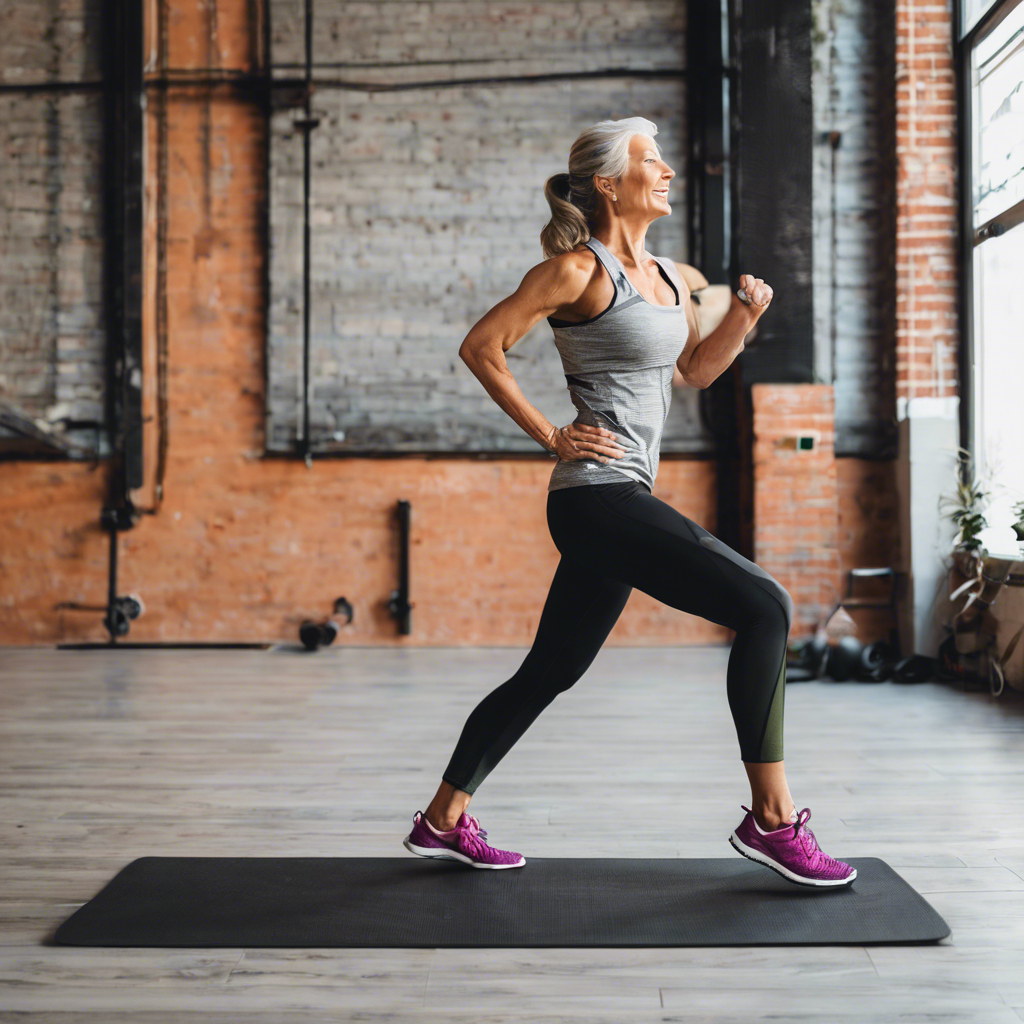
Staying active after 40 is essential for maintaining strength, flexibility, and overall well-being. As women age, they experience hormonal changes, muscle loss, and shifts in metabolism, making it even more important to follow a well-rounded fitness routine. The best workouts for women over 40 should focus on preserving muscle mass, improving cardiovascular health, enhancing flexibility, and preventing injury. By incorporating strength training, cardio, flexibility exercises, and balance work, women can enjoy a healthier, more active lifestyle.
Strength training is a crucial component of any fitness regimen for women over 40. As estrogen levels decline, muscle mass decreases, leading to reduced strength and a slower metabolism. Incorporating resistance exercises using weights, resistance bands, or bodyweight movements helps maintain lean muscle mass and boosts metabolism. Compound movements such as squats, lunges, deadlifts, and push-ups engage multiple muscle groups, making them highly effective. Strength training at least two to three times per week can prevent osteoporosis, improve posture, and support overall strength.
Cardiovascular exercises play a significant role in maintaining heart health and endurance. After 40, the risk of heart disease increases, making regular cardio workouts essential. Walking, cycling, swimming, and jogging are excellent low-impact options that improve cardiovascular fitness without putting excessive stress on the joints. High-Intensity Interval Training (HIIT) is another effective method, as it alternates between short bursts of intense activity and rest periods. HIIT workouts improve cardiovascular health, burn fat, and build endurance while taking less time than traditional steady-state cardio sessions.
Flexibility exercises become more important as women age since muscles and joints naturally lose elasticity over time. Regular stretching, yoga, or Pilates can help improve mobility, prevent stiffness, and reduce the risk of injuries. Yoga, in particular, enhances flexibility while also providing stress relief and mental clarity. Incorporating dynamic stretches before a workout and static stretches afterward can ensure that muscles stay limber and less prone to injury.
Balance exercises are often overlooked but are vital for preventing falls and improving coordination. As women age, balance and stability decrease, making them more susceptible to injuries. Simple exercises such as standing on one leg, heel-to-toe walking, or practicing tai chi can enhance stability and coordination. Core-strengthening exercises, such as planks and stability ball exercises, also contribute to better balance and posture.
Strength and resistance training should include both upper and lower body exercises. For the upper body, dumbbell shoulder presses, bent-over rows, and tricep dips help maintain strength in the arms, shoulders, and back. For the lower body, squats, step-ups, and leg presses build muscle in the legs and glutes. Using resistance bands is an excellent alternative to weights, as they provide controlled tension without straining the joints. Functional movements that mimic everyday activities, like lifting and bending, can also be incorporated to make workouts more practical.
Core workouts are essential for maintaining a strong midsection, which supports overall stability and spinal health. Exercises such as leg raises, Russian twists, bicycle crunches, and bird dogs target the core muscles and improve posture. A strong core reduces the risk of lower back pain, which is common as people age. Pilates is another excellent option, as it focuses on deep core engagement and controlled movements that enhance flexibility and strength.
For women who enjoy group activities, dance-based workouts such as Zumba or barre classes can be a fun and effective way to stay active. These workouts combine elements of cardio, strength, and flexibility, making them well-rounded exercise choices. Dance-based fitness classes are also great for boosting mood, reducing stress, and enhancing coordination. The social aspect of group workouts can provide additional motivation and accountability.
Women over 40 should also pay close attention to recovery and rest. Muscles take longer to repair and recover after workouts, making it important to include rest days in a fitness routine. Proper hydration, a balanced diet rich in protein and essential nutrients, and sufficient sleep contribute to better recovery and overall performance. Incorporating foam rolling and massage therapy can help reduce muscle soreness and improve circulation.
A well-rounded workout plan should be sustainable and enjoyable. Choosing activities that align with personal preferences increases the likelihood of consistency. Whether it’s hiking, swimming, weightlifting, or yoga, the key is to find an exercise routine that fits individual fitness levels and goals. Staying active beyond 40 is not about achieving perfection but about maintaining a healthy, strong body for years to come.