
Starting a full-body workout routine as a beginner can feel overwhelming, but the key is to focus on simple, effective movements that build strength, endurance, and flexibility. Full-body workouts are ideal for beginners because they engage multiple muscle groups at once, helping to improve overall fitness without requiring long hours at the gym. Whether you want to tone muscles, burn fat, or increase strength, these beginner-friendly full-body exercises will set you on the right path.
Strength training forms the foundation of any good full-body workout. One of the best exercises for beginners is the squat. Squats work the legs, glutes, core, and lower back, making them one of the most efficient exercises to build lower-body strength. To perform a basic squat, stand with feet shoulder-width apart, lower your body as if sitting in a chair, then push back up to the starting position. Beginners should start with bodyweight squats and gradually add resistance using dumbbells or a barbell. Performing three sets of 12–15 repetitions will help build endurance and strength.
Push-ups are another fundamental exercise that targets the chest, shoulders, triceps, and core. Beginners who struggle with traditional push-ups can start with knee push-ups or incline push-ups using a bench. Proper form is essential—keep the core tight, lower the body until the chest is close to the ground, and push back up. Aim for three sets of 10–12 repetitions. Over time, as strength improves, transitioning to full push-ups will enhance upper body endurance and stability.
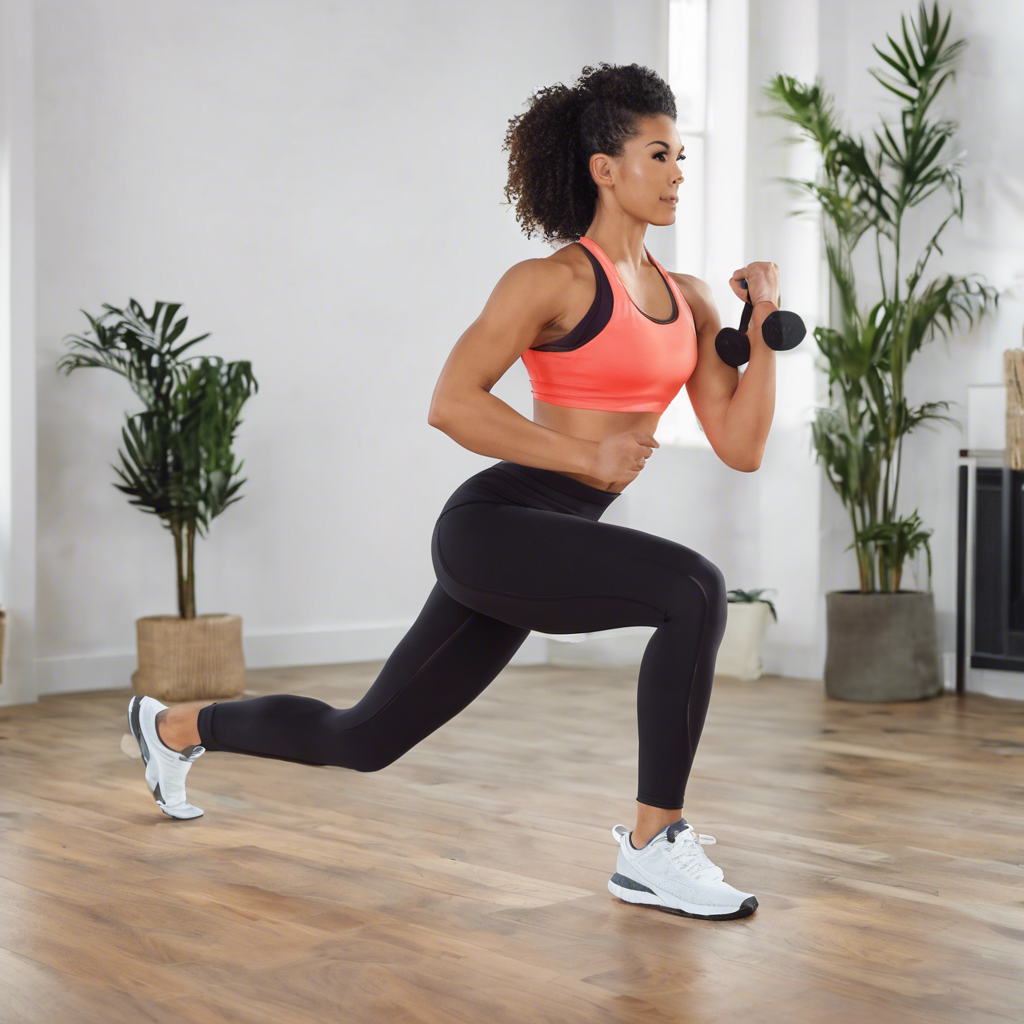
Lunges are excellent for working the lower body and improving balance. This movement targets the quads, hamstrings, glutes, and calves while also engaging the core. To perform a lunge, step forward with one foot, lower your body until both knees form 90-degree angles, then push back to the starting position. Beginners should start with stationary lunges before progressing to walking lunges. Completing three sets of 10 repetitions per leg will build strength and improve overall coordination.
Deadlifts are one of the most effective full-body exercises, working the legs, glutes, back, and core. Beginners should start with a light weight or just a barbell to learn proper form. Stand with feet hip-width apart, grip the bar or dumbbells, hinge at the hips while keeping the back straight, and lower the weights to mid-shin level before standing back up. Engaging the core and maintaining a neutral spine is crucial to prevent injury. Start with three sets of 8–10 repetitions.
For core strengthening, planks are an excellent beginner-friendly option. Unlike crunches, which mainly target the front abdominal muscles, planks engage the entire core, including the obliques and lower back. Begin by holding a forearm plank position for 20–30 seconds, gradually increasing the duration as core strength improves. Side planks and dynamic planks (such as plank shoulder taps) add variety and challenge. Performing three sets of planks daily will enhance core stability and posture.
Cardio exercises complement strength training by improving cardiovascular health and endurance. Jumping jacks, high knees, and burpees are effective full-body cardio movements that raise the heart rate while engaging multiple muscle groups. Beginners can start with low-impact variations, such as step jacks instead of jumping jacks or modified burpees without a push-up. A combination of strength training and cardio ensures balanced fitness progress.
Using resistance bands can help beginners build strength safely while reducing the risk of injury. Resistance band squats, banded lateral walks, and banded rows target multiple muscle groups without the need for heavy weights. Bands provide continuous tension, enhancing muscle activation and control. Incorporating resistance bands into a full-body workout adds variety and helps prevent plateaus.
Flexibility and mobility exercises should not be overlooked, as they improve movement efficiency and prevent stiffness. Dynamic stretches such as arm circles, leg swings, and hip openers before a workout prepare the body for exercise. Static stretching after a workout, including hamstring stretches, shoulder stretches, and spinal twists, helps improve flexibility and aids in recovery.
A well-rounded full-body workout routine should also include pull exercises to balance pushing movements. Rows, whether performed with dumbbells, resistance bands, or a barbell, are excellent for strengthening the back and biceps. Bent-over dumbbell rows are a great starting point—bend at the hips, keep the back straight, and pull the weights toward the torso. Performing three sets of 10–12 repetitions improves upper-body strength and posture.
Combining these exercises into a structured workout routine ensures balanced muscle development and prevents imbalances. A sample beginner-friendly full-body workout could include squats, push-ups, lunges, deadlifts, planks, and rows, followed by light cardio and stretching. Performing this routine three times a week, with a rest day in between, allows for proper recovery and muscle growth.
By focusing on proper form, gradually increasing intensity, and maintaining consistency, beginners can build a strong foundation for long-term fitness success. Whether exercising at home or in the gym, these full-body workouts will help improve strength, endurance, and overall health.