
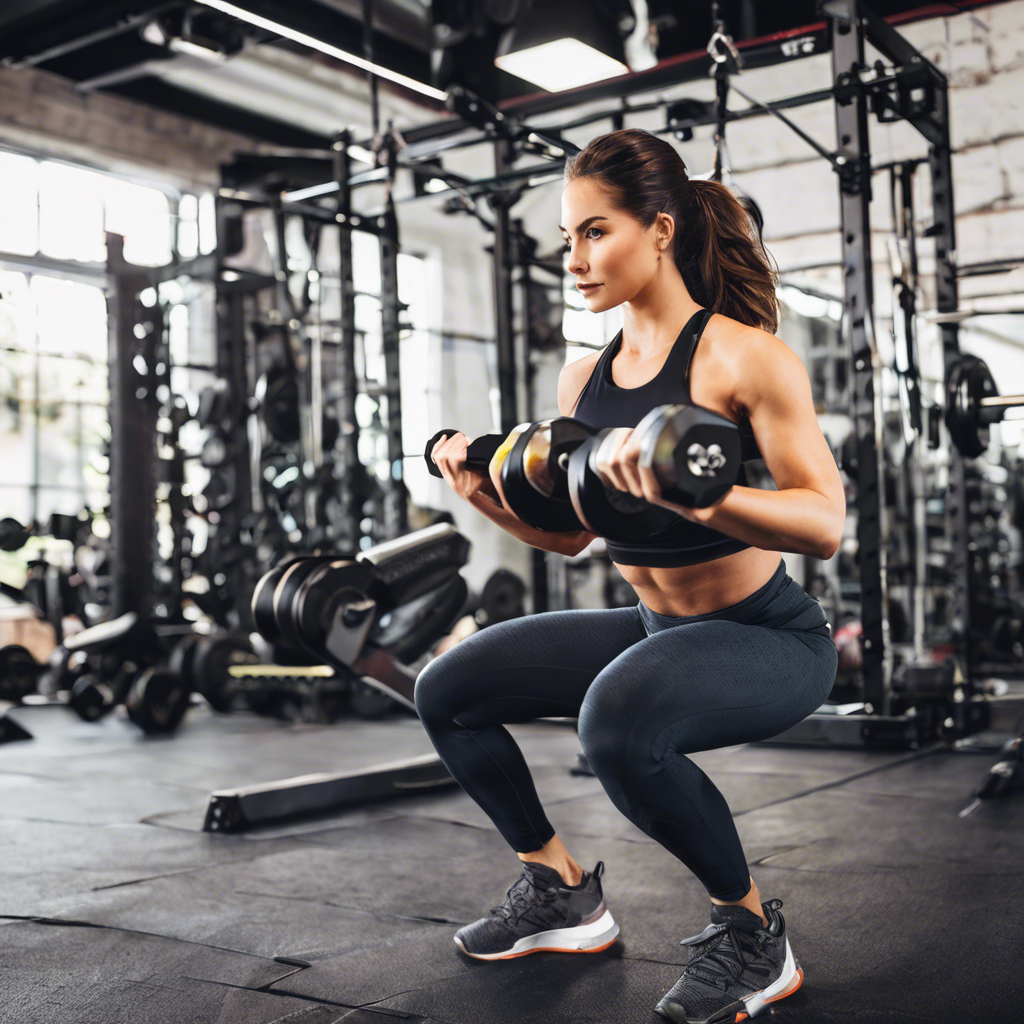
When it comes to weight training for women, there’s often a misconception that lifting weights will make them bulk up. In reality, weight training is one of the most effective ways to build strength, enhance overall fitness, and improve your body composition. Whether you’re new to the gym or have some experience, understanding the basics of weight training is essential to achieve long-lasting results. This guide will break down everything you need to know, from the fundamentals to the best exercises for beginners.
Why Weight Training is Beneficial for Women
Many women shy away from weight training because they fear they might get too muscular or bulky. However, weight training actually offers a host of health benefits, from toning muscles and boosting metabolism to enhancing overall health. When you engage in strength training, your muscles undergo tiny tears, and as they heal, they grow stronger. Additionally, weight training can help with weight loss by increasing muscle mass, which in turn helps to burn more calories even at rest.
Moreover, lifting weights improves bone density, which is crucial for women as they age and become more prone to osteoporosis. Strength training also has positive effects on posture, balance, and functional fitness, making everyday activities easier.
Getting Started: The Basics of Weight Training
Before diving into the exercises themselves, it’s essential to know the key elements of weight training.
1. Understand the Types of Weight Training
There are two primary types of weight training: free weights and machines. Free weights, like dumbbells and barbells, allow for a more natural range of motion and engage more muscles at once. Machines are more controlled, and while they can be helpful for beginners, they often target specific muscles and limit movement. As a beginner, it’s best to start with a combination of both to build confidence and technique.
2. Form and Technique Are Key
Proper form and technique are essential when lifting weights to avoid injury. Poor form can lead to strains or muscle imbalances, making it harder to progress. Always focus on performing the movement correctly, even if it means using lighter weights in the beginning. You can gradually increase the weight as you become more comfortable with the movements.
3. Warm-Up and Cool Down
Before starting any weight training session, it’s important to warm up your muscles to reduce the risk of injury. A five to ten-minute warm-up, such as light cardio or dynamic stretches, helps prepare your body for the workout. Likewise, cooling down afterward with static stretching helps prevent stiffness and promotes flexibility.
4. Rest and Recovery
Muscles grow during recovery, not while working out. Make sure to give yourself enough rest between sessions to allow your muscles to heal. Rest days are just as important as workout days, so don’t skip them. Aim for at least 48 hours of recovery for each muscle group before training it again.
The Best Weight Training Exercises for Beginners
As a beginner, it’s important to focus on compound exercises that target multiple muscle groups. This will help you build a solid foundation and improve overall strength. Here are some great weight training exercises to get you started:
1. Squats
Squats are a fantastic compound exercise that works your quads, hamstrings, glutes, and core. They’re essential for building lower body strength, and they also help improve stability. To perform a basic squat, stand with your feet shoulder-width apart, lower your hips back and down as if sitting into a chair, then return to standing.
2. Lunges
Lunges are another excellent exercise for the lower body. They target the quads, hamstrings, and glutes, but also help improve balance and coordination. Start by stepping forward with one leg, lowering your body until both knees are at about 90 degrees, then push back to starting position. Repeat with the other leg.
3. Push-Ups
Push-ups are great for building upper body strength, particularly for the chest, shoulders, and triceps. If a full push-up feels too difficult, start with modified push-ups (knees on the ground) and work your way up as you get stronger.
4. Deadlifts
Deadlifts are a full-body exercise that primarily targets the lower back, glutes, and hamstrings. To perform a deadlift, stand with your feet shoulder-width apart, bend at the hips and knees, grasp the barbell with both hands, and lift it by straightening your hips and knees. It’s crucial to maintain a neutral spine during the movement to avoid injury.
5. Bent-Over Rows
This exercise works the back, shoulders, and arms. Stand with your feet hip-width apart, bend your knees slightly, and lean forward from your waist. Hold a dumbbell or barbell with your palms facing down and pull the weight towards your torso, keeping your elbows close to your body.
6. Plank
While not a traditional “weight” exercise, the plank is an excellent way to strengthen your core. Hold your body in a straight line from head to heels, supported by your forearms and toes. Aim to hold the position for 30-60 seconds, focusing on maintaining proper form.
Building a Weight Training Routine
Creating a well-rounded workout routine is crucial to building strength and preventing injury. A beginner weight training routine should focus on full-body workouts, at least two to three times per week. Below is an example of a balanced routine for a beginner:
Sample Beginner Weight Training Routine:
-
Day 1: Full Body Workout
-
Squats – 3 sets of 10-12 reps
-
Push-ups – 3 sets of 8-10 reps
-
Bent-Over Rows – 3 sets of 10-12 reps
-
Lunges – 3 sets of 10 reps (per leg)
-
Plank – 3 sets of 30-60 seconds
-
-
Day 2: Rest or Cardio
-
Day 3: Full Body Workout
-
Deadlifts – 3 sets of 8-10 reps
-
Dumbbell Chest Press – 3 sets of 10-12 reps
-
Lateral Raises – 3 sets of 12-15 reps
-
Step-ups – 3 sets of 10 reps (per leg)
-
Russian Twists – 3 sets of 15 reps (per side)
-
-
Day 4: Rest or Cardio
Gradual Progression
As you become more experienced, it’s important to increase the weight, sets, or reps in your exercises to continue progressing. Gradual progression ensures that your muscles continue to grow and become stronger over time. It’s always better to increase weight slowly rather than jumping up too fast, which can lead to injury.
Common Mistakes to Avoid
As you embark on your weight training journey, it’s important to avoid common mistakes that could hinder your progress or lead to injury.
-
Skipping Warm-Ups and Cool Downs: A proper warm-up and cool-down are essential for injury prevention and recovery.
-
Not Using Proper Form: Focus on form over weight to ensure you’re targeting the correct muscles and minimizing the risk of injury.
-
Lifting Too Heavy Too Soon: Start with manageable weights and gradually increase them as your strength improves.
-
Not Resting Enough: Overtraining can lead to fatigue and injuries. Make sure to incorporate rest days into your routine.
Nutrition and Hydration for Weight Training
Your body needs proper nutrition to support weight training and muscle growth. Aim for a balanced diet that includes a mix of protein, healthy fats, and complex carbohydrates. Protein is especially important, as it helps to repair and build muscle tissue. Sources of lean protein include chicken, fish, tofu, and legumes.
Hydration is also critical for optimal performance and recovery. Ensure that you’re drinking plenty of water before, during, and after your workout to stay hydrated.
Tracking Progress
To stay motivated and continue progressing, it’s essential to track your progress. Keep a workout log to monitor the weights you lift, the number of sets and reps, and how you feel after each session. Tracking progress will not only help you stay on top of your goals but also provide valuable insights into what’s working and where you need to make adjustments.
Conclusion
Weight training is a powerful tool for women who want to build strength, improve their fitness, and transform their body composition. By starting with the basics, focusing on proper form, and gradually increasing intensity, women of all fitness levels can benefit from a consistent strength training program. Remember that building muscle and strength takes time, but with consistency and dedication, you’ll begin to notice the incredible benefits that weight training brings to your body and overall health.