
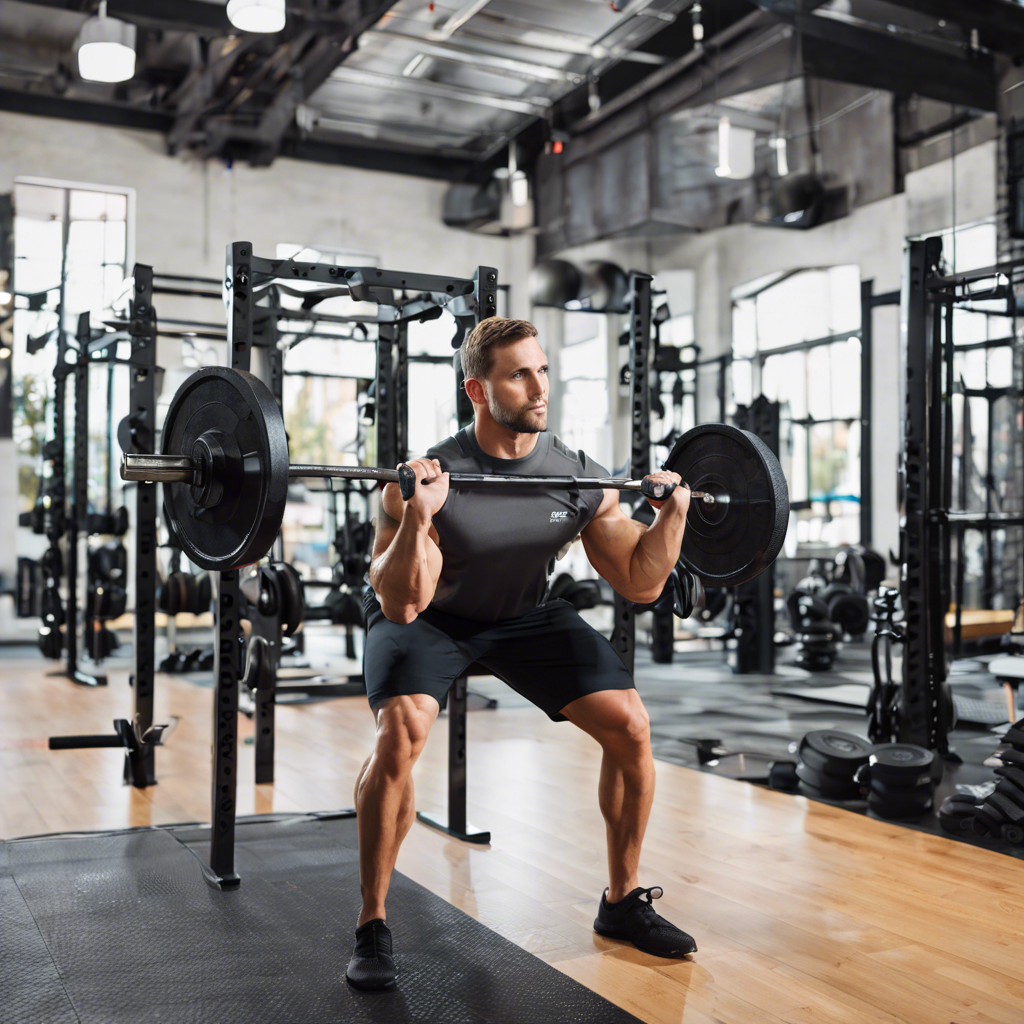
Tracking your strength training progress is essential for achieving long-term fitness goals, building muscle, and ensuring overall well-being. By tracking your progress, you gain insight into how well you’re improving, where adjustments are needed, and how to prevent hitting a plateau. Whether you’re a beginner or an experienced lifter, tracking is a tool you should never overlook. Here’s how to effectively monitor your strength training journey.
Set Clear Goals
Before you start tracking your strength training progress, it’s important to establish clear, measurable goals. Whether your aim is to gain muscle, increase strength, improve endurance, or lose fat, identifying specific targets will allow you to create a plan and measure your success more effectively.
Start with short-term and long-term goals. Short-term goals might include lifting a certain weight for a given number of reps within a few weeks, while long-term goals might involve more significant changes, such as increasing your bench press by 50 pounds or adding muscle mass over several months. Write these goals down and keep them in mind as you track your performance over time.
Keep a Workout Log
One of the simplest yet most effective ways to track your strength training progress is by keeping a detailed workout log. This doesn’t need to be complex, but it should include the exercises you perform, the sets and reps completed, the weight used, and any notes regarding how you felt during the workout.
Tracking each session in this way provides valuable data that you can reference in the future. If you notice that a particular lift feels easier or you’re able to add more weight over time, it’s a clear sign of progress. If you’re plateauing, reviewing your logs can help you identify if there are any patterns, such as consistent lack of rest or insufficient nutrition.
Use a Progressive Overload Approach
Progressive overload is a principle that dictates that in order to see consistent improvements in strength and muscle mass, you must gradually increase the demands on your muscles. This can be done in various ways, including:
-
Increasing the weight: Gradually adding more weight to your exercises as you become stronger.
-
Increasing reps or sets: If you’ve been lifting the same weight for a while, try doing more repetitions or sets to challenge your muscles further.
-
Decreasing rest time: Shortening your rest periods between sets can also make the exercise more challenging.
By incorporating progressive overload into your workout routine and tracking these increases, you ensure that your muscles are continually adapting, helping you avoid plateaus and stay on the path to success.
Track Your Strength Metrics
Tracking metrics such as the amount of weight you lift and the number of repetitions you complete is essential for evaluating your strength training progress. Make sure to record your personal bests, whether they’re in terms of max weight lifted, sets completed, or overall workout performance.
In addition to tracking raw strength, it’s also valuable to assess your overall physical performance. This might involve tracking endurance by measuring how many push-ups or pull-ups you can do in a given timeframe or keeping track of your time in exercises like planks or wall sits.
The key is to track these metrics over time and assess how they improve as you continue your training. These numbers act as concrete evidence of your progress and help you set new benchmarks as you progress toward your goals.
Measure Body Composition
While strength metrics and lifting data are useful, measuring body composition is equally important in tracking progress. This involves monitoring changes in muscle mass, fat percentage, and overall weight. The goal is not always to lose weight but to gain lean muscle mass while reducing fat, depending on your personal goals.
There are a variety of ways to track body composition, such as:
-
Body fat percentage: Using skinfold calipers or more advanced methods like DEXA scans can help you track how much of your body mass is fat compared to lean tissue.
-
Circumference measurements: Measuring areas like your waist, hips, thighs, and arms can give you a good sense of where you’re gaining muscle and losing fat.
-
Progress photos: Taking progress photos in consistent lighting and angles can help you visualize changes in your physique over time.
Keep in mind that these measurements may not change drastically on a weekly basis, but over the course of several months, they can be an excellent indicator of your success.
Listen to Your Body
Progress isn’t always just about numbers. While tracking weights, reps, and measurements can give you tangible evidence of progress, paying attention to how your body feels is equally important. Are you experiencing less soreness post-workout? Is your endurance improving during your exercises? Do you feel stronger during everyday activities?
These are all signs of progress that might not show up directly in your workout logs or on a scale but are still crucial indicators of improved fitness. Listening to your body ensures that you’re training smartly and avoiding injury while making sustainable progress.
Incorporate Rest and Recovery Tracking
While tracking your strength training is important, it’s equally essential to track your rest and recovery. Your muscles need time to repair and grow after intense workouts, and overtraining can lead to burnout or injury.
Factors such as the amount of sleep you’re getting, your stress levels, and how well you’re recovering between workouts should be part of your overall tracking strategy. Using a fitness tracker or wearable device that monitors your sleep and heart rate variability can provide you with insights into how well you’re recovering and whether you’re pushing yourself too hard.
Pay attention to any signs of fatigue, soreness, or pain that persist for too long. This will give you valuable feedback to adjust your training load and ensure optimal recovery, preventing setbacks in your progress.
Use Technology and Apps
In today’s tech-driven world, there are countless apps and tools designed to help you track your strength training progress. Apps such as MyFitnessPal, StrongLifts, and Jefit are widely popular for tracking workouts, lifting weights, and setting goals. Many of these apps allow you to log exercises, monitor your progress, and even visualize trends in your training.
In addition to workout-specific apps, you can also use fitness trackers like Fitbit or Garmin watches to keep track of your activity levels, heart rate, and recovery. These devices give real-time data that helps you monitor everything from your daily steps to the quality of your sleep, providing a holistic view of your fitness journey.
Track Your Nutrition
Nutrition plays a critical role in strength training, so tracking your food intake is just as important as tracking your workouts. Adequate protein intake is essential for muscle growth, while healthy fats and carbs fuel your workouts and recovery. Keeping a food diary or using an app like MyFitnessPal can help you ensure that you’re eating enough to support your goals.
Track your daily caloric intake, protein consumption, and micronutrient levels to make sure that your diet aligns with your training. For example, if you’re trying to gain muscle, aim for a caloric surplus with an emphasis on protein, while those focusing on fat loss may want to track calories to maintain a deficit.
Evaluate Your Performance Periodically
To truly track your progress, you need to periodically assess your performance. This could mean doing a retest of your max lifts every 6–8 weeks or taking stock of how much weight you can now handle compared to when you started. These evaluations can help you measure your overall strength progress and identify areas where you might need to focus more.
Consider doing performance assessments every few months to determine where you stand in comparison to your long-term goals. This gives you the opportunity to set new challenges and adapt your training plan accordingly. Don’t be discouraged if you haven’t made huge leaps in a short period; strength training progress is often slow but steady.
Conclusion
Tracking your strength training progress is key to achieving your fitness goals, whether you’re focused on building strength, gaining muscle, or enhancing overall health. By setting clear goals, keeping detailed logs, using progressive overload, tracking your body composition, and evaluating your recovery, you can ensure that you’re on the right path. Remember, the journey to improved strength and fitness is a marathon, not a sprint. Celebrate small wins along the way, listen to your body, and always aim to progress, no matter how gradual the changes may seem.