
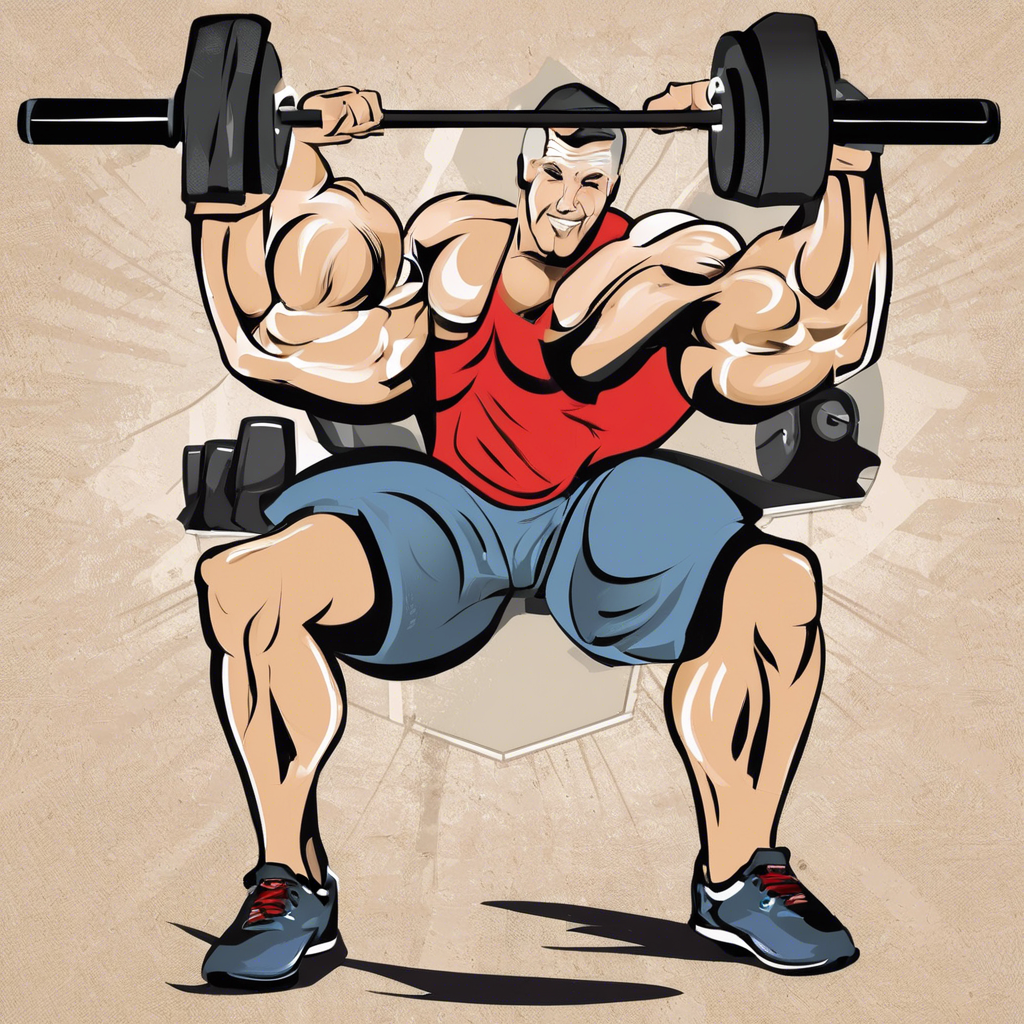
Building muscle after 40 can seem challenging, but it’s far from impossible. In fact, it can be an incredibly rewarding experience that enhances both physical and mental well-being. While aging may come with some changes in the body, maintaining or even gaining muscle mass after 40 is achievable with the right approach. This article will guide you through the best strategies to build muscle after 40, backed by expert insights.
Understanding the Challenges of Building Muscle After 40
As we age, several physiological changes can affect our ability to build muscle. After 30, our bodies start to lose muscle mass naturally, a process known as sarcopenia. This can accelerate after 40 if we aren’t proactive. Lower testosterone levels in men and decreasing estrogen in women can also make it harder to retain muscle. Additionally, our metabolism slows down, and recovery times tend to lengthen, making training more challenging.
However, this doesn’t mean you can’t build muscle at 40 or beyond. It simply means you may need to adjust your training and recovery strategies. Below are some tips that can help you optimize muscle growth as you age.
1. Focus on Resistance Training
Resistance training is one of the most effective ways to build muscle at any age. After 40, it’s essential to focus on strength training to stimulate muscle fibers and promote growth. Key exercises like squats, deadlifts, bench presses, and rows should be staples in your routine. These compound movements target multiple muscle groups, helping to build overall strength and mass.
Training Tips:
-
Start with lighter weights to ensure proper form. Gradually increase weight as your muscles adapt.
-
Train each major muscle group 2-3 times per week. Allow 48 hours of rest between sessions to ensure adequate recovery.
-
Use a combination of free weights, machines, and bodyweight exercises to challenge muscles in different ways.
2. Prioritize Recovery and Rest
As you age, recovery becomes more important than ever. Muscle tissue breaks down during exercise, and the repair process is where growth occurs. After 40, your body needs more time to recover from intense workouts, so don’t underestimate the importance of rest. Aim for 7-9 hours of sleep each night to support muscle repair and regeneration.
Active recovery can also play a significant role. Gentle activities like walking, yoga, or swimming can help improve circulation, reducing muscle stiffness and promoting recovery without overtaxing the body.
3. Adjust Your Nutrition for Muscle Growth
What you eat plays a crucial role in building muscle, particularly after 40. Adequate protein intake is essential for muscle repair and growth. Experts recommend 1.6 to 2.2 grams of protein per kilogram of body weight for optimal muscle building. For example, if you weigh 70 kg (154 lbs), you should aim for 112-154 grams of protein daily.
In addition to protein, ensure you’re eating a well-balanced diet with adequate carbohydrates and healthy fats. Carbs fuel your workouts and provide energy for muscle repair, while fats support hormone health, which is vital for muscle growth.
Key Nutrients to Focus On:
-
Protein: Lean meats, fish, eggs, legumes, and plant-based proteins like tofu or lentils.
-
Healthy Fats: Avocados, olive oil, nuts, and seeds.
-
Carbohydrates: Whole grains, fruits, vegetables, and legumes.
4. Embrace Functional Movements
Incorporating functional movements into your workout routine can improve muscle strength, balance, and mobility. These exercises mimic everyday activities and can help prevent injuries. Functional training involves movements like squatting, bending, twisting, and lifting, which engage multiple muscle groups and improve overall coordination.
Some effective functional exercises include:
-
Lunges and step-ups
-
Kettlebell swings
-
Medicine ball throws
-
Push-ups and planks
These exercises can be adjusted to suit your fitness level, ensuring you’re continually challenging your body.
5. Manage Stress Levels
Chronic stress can negatively impact muscle growth by raising cortisol levels, a hormone that can break down muscle tissue over time. Finding ways to manage stress, such as practicing mindfulness, meditation, or engaging in relaxing hobbies, can help keep cortisol in check and allow your muscles to recover more efficiently.
Moreover, staying physically active is one of the best stress-relieving strategies. Exercise, especially resistance training, has been shown to lower stress hormones and improve mood, so it’s a win-win for muscle building and overall well-being.
6. Incorporate Cardiovascular Exercise Wisely
While cardiovascular exercise is important for overall health, too much cardio can hinder muscle growth. After 40, focus on a balanced approach to cardio. High-intensity interval training (HIIT) is an excellent option as it combines short bursts of intense activity with rest, allowing for cardiovascular benefits while preserving muscle mass.
If you’re more inclined to steady-state cardio (e.g., running or cycling), ensure it doesn’t interfere with your resistance training schedule. It’s best to schedule your cardio sessions on non-lifting days or after your weightlifting routine to avoid muscle fatigue.
7. Consider Supplementation
While proper nutrition is key, some people may find that certain supplements help optimize muscle-building efforts. Supplements aren’t a replacement for a healthy diet, but they can provide an extra boost. The following supplements have shown promise in supporting muscle growth:
-
Creatine: This naturally occurring compound can increase strength and improve performance during high-intensity workouts. It may also aid in muscle recovery.
-
Protein Powder: If you struggle to meet your daily protein requirements, protein powders can help supplement your intake.
-
Branched-Chain Amino Acids (BCAAs): These amino acids play a vital role in muscle recovery and reducing muscle soreness after intense workouts.
Before starting any supplementation, it’s advisable to consult with a healthcare provider or nutritionist to ensure they’re appropriate for your needs.
8. Prioritize Hormonal Health
Hormones play a critical role in muscle growth. As you age, testosterone levels (in men) and estrogen levels (in women) naturally decline, which can impact your ability to build and maintain muscle. However, maintaining a healthy lifestyle, including regular exercise, proper nutrition, and stress management, can help balance these hormones.
Some individuals may consider hormone replacement therapy (HRT) under medical supervision to address significant hormonal imbalances. However, this should only be done after consulting with a healthcare professional.
9. Track Your Progress
Tracking your progress is essential to understand what’s working and where adjustments need to be made. Keep a workout journal or use a fitness app to track your workouts, weights lifted, and recovery times. Additionally, measure your body composition (fat vs. muscle) instead of just focusing on weight, as muscle gain may offset fat loss on the scale.
Celebrate small victories along the way, whether it’s increasing your weights, performing more reps, or noticing increased muscle definition. These achievements will help you stay motivated and focused on your long-term goals.
10. Stay Consistent
Building muscle after 40 requires consistency. It’s easy to become discouraged if progress is slow, but muscle growth takes time. Stick to your workout routine, focus on your nutrition, and prioritize recovery. Over time, you’ll begin to see the results of your hard work.
Remember, building muscle is not just about physical appearance; it’s about feeling stronger, more energized, and healthier as you age. By following the strategies outlined above, you can achieve your fitness goals and improve your quality of life.
Conclusion
Building muscle after 40 is absolutely possible and offers numerous health benefits. It may require a more thoughtful approach, but with the right mix of resistance training, recovery, nutrition, and consistency, you can continue to gain muscle and improve your fitness level. Remember to stay patient, track your progress, and enjoy the process. Muscle growth after 40 is not just about looking good – it’s about feeling your best, boosting your confidence, and enhancing your overall health for years to come.