
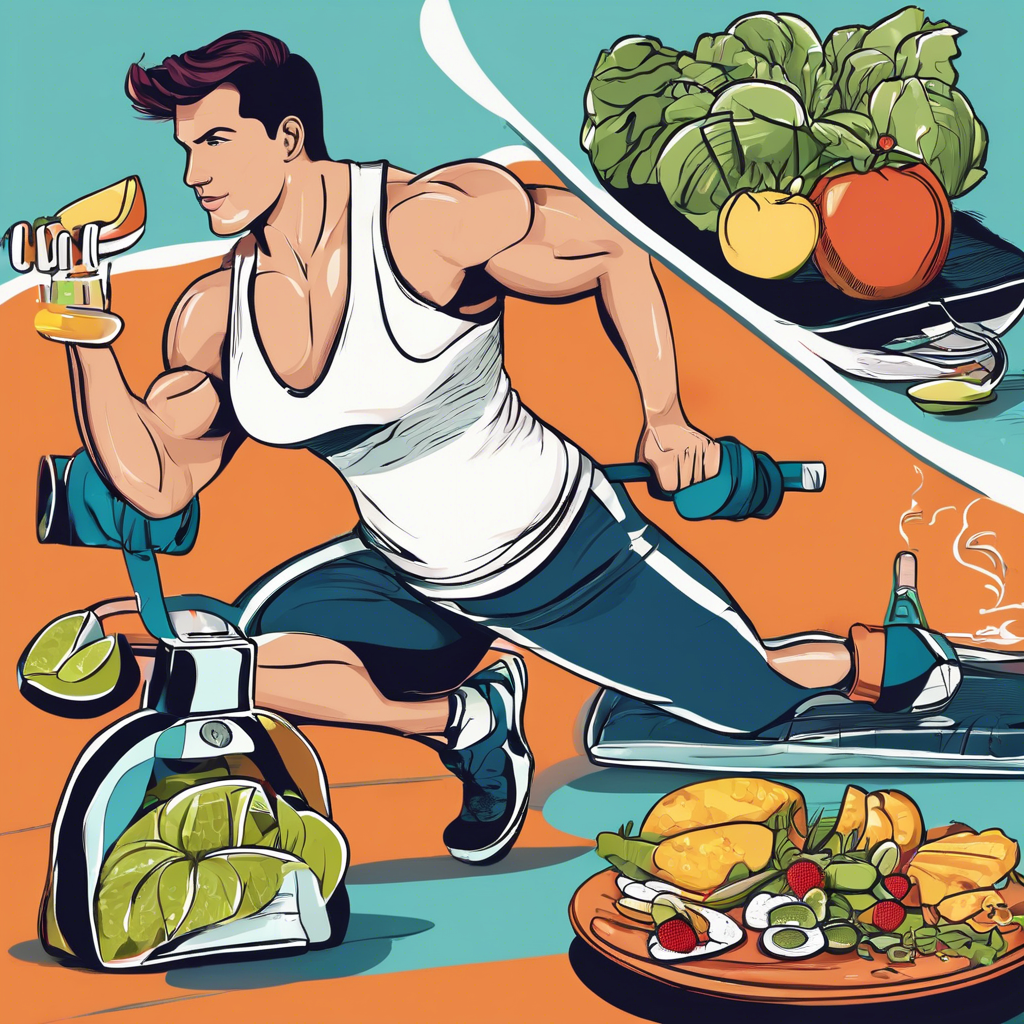
Breaking through a weight loss plateau can be one of the most frustrating challenges on a fitness journey. After weeks or even months of steady progress, you might find yourself stuck at the same weight despite following the same routine and eating habits. This situation is common, but it doesn’t mean that your goals are out of reach. Understanding why plateaus happen, making strategic changes, and staying committed to your long-term goals can help you push past these hurdles and continue your progress.
What Is a Weight Loss Plateau?
A weight loss plateau occurs when your weight loss stalls despite consistent effort. It’s a normal part of the weight loss process, often occurring after the body has adapted to changes in diet and exercise. Initially, your body burns fat quickly as it adjusts to a new routine. However, over time, your metabolism may slow down or stabilize, leading to slower progress or even a complete halt.
Understanding the reasons behind a plateau can help you develop strategies to overcome it. Below, we will explore some of the most common reasons weight loss plateaus happen, along with practical solutions to break through them.
1. Your Metabolism Has Adapted
When you begin a weight loss journey, your body initially burns fat to meet its energy needs. However, as you lose weight, your body’s calorie requirements decrease because it now has less mass to maintain. In simple terms, the fewer calories you burn, the harder it becomes to keep losing weight. This is why the weight loss process tends to slow down over time, leading to a plateau.
Solution: To break through this, you need to adjust your calorie intake or expenditure. This could involve decreasing your caloric intake slightly or increasing the intensity of your workouts. Small adjustments can signal your body to keep burning fat, forcing it to adapt to the new conditions.
2. You’re Underestimating Your Caloric Intake
Many people underestimate how much they eat, particularly when it comes to snacks or liquid calories. Even if you’re sticking to a “healthy” diet, you might unknowingly be consuming more calories than you realize, which can hinder your weight loss efforts.
Solution: Consider tracking your food intake more carefully, either using a food diary or a calorie-tracking app. This will help you pinpoint areas where you might be overeating or consuming hidden calories. Additionally, try measuring your portions to ensure you’re staying within your target calorie range.
3. Your Workout Routine Has Become Stale
When you first start exercising, your body responds to new activities by burning more calories and shedding fat. However, after some time, your body becomes accustomed to your routine, leading to less energy expenditure and a reduced rate of weight loss.
Solution: To break a plateau, vary your workouts. If you’ve been doing the same routine for weeks, your body has likely adapted. Try incorporating high-intensity interval training (HIIT), weightlifting, or new cardio exercises to challenge your body in new ways. This will help boost calorie burn and stimulate muscle growth, further promoting fat loss.
4. You’re Not Getting Enough Sleep
Sleep is often overlooked in weight loss discussions, but it’s a crucial factor. When you don’t get enough sleep, your body produces more of the hunger hormone ghrelin, leading to increased appetite. On top of that, poor sleep can affect your metabolism and your ability to build muscle.
Solution: Aim for 7-9 hours of quality sleep per night. If you struggle with sleep, try creating a bedtime routine, limiting screen time before bed, and ensuring your sleep environment is cool and dark. By improving your sleep, you’ll help regulate your hormones and boost your weight loss efforts.
5. Stress Is Slowing Your Progress
Chronic stress can significantly impact your weight loss journey. When you’re stressed, your body produces cortisol, a hormone that can increase fat storage, especially around the abdominal area. High cortisol levels can also increase cravings for unhealthy foods, making it harder to stick to your diet.
Solution: Incorporate stress-reducing activities into your routine. Yoga, meditation, deep breathing, and other relaxation techniques can help lower cortisol levels. Regular physical activity, like walking or swimming, can also help reduce stress while benefiting your weight loss goals.
6. You’re Losing Fat, But Gaining Muscle
If you’ve been exercising regularly, especially with strength training, it’s possible that you’re gaining muscle mass while losing fat. Muscle is denser than fat, which means you may not see a significant change on the scale, even though your body composition is improving.
Solution: Don’t rely solely on the scale to track progress. Instead, focus on other metrics such as body measurements, how your clothes fit, and how you feel in terms of strength and energy. Consider using body fat percentage as a more accurate gauge of your progress.
7. You’re Not Eating Enough Protein
Protein is an essential macronutrient for weight loss because it helps preserve muscle mass while promoting fat loss. Without enough protein, your body may start to break down muscle for energy, which can lower your metabolism and make it harder to lose fat.
Solution: Ensure you’re consuming an adequate amount of protein each day. The general recommendation is 0.8 to 1 gram of protein per pound of body weight, depending on your activity level. Good sources of protein include lean meats, eggs, legumes, tofu, and dairy.
8. Your Body Needs a Reset
Sometimes, your body simply needs a break. After months of dieting and exercising, your metabolism can slow down, and your body may enter a state of adaptive resistance. A “diet break” or a period of maintenance calories can help reset your metabolism, allowing you to break through the plateau.
Solution: Consider taking a short break from your strict diet. Eat at maintenance level for a week or two, focusing on whole, nutrient-dense foods. This period can help your metabolism recover and give you the energy needed to resume your weight loss efforts.
9. You’re Too Focused on the Scale
The scale doesn’t tell the whole story. It can fluctuate due to water retention, hormonal changes, or other factors that don’t reflect actual fat loss. Obsessing over the number on the scale can be discouraging, especially when you’re working hard and not seeing results.
Solution: Shift your focus from the scale to other indicators of progress. How do you feel? Are your clothes fitting better? Do you have more energy or strength? Using a more holistic approach to tracking progress can help you stay motivated and recognize improvements that go beyond the number on the scale.
10. You’re Still in a Caloric Deficit, but It’s Too Small
Sometimes, the reason for a plateau is that you’re in a caloric deficit, but it’s too small to continue seeing significant results. A small deficit might be enough to maintain your weight but not enough to cause further fat loss.
Solution: Gradually adjust your caloric intake or increase your activity level to create a slightly larger deficit. Keep in mind that drastic calorie reductions are not recommended, as they can be unsustainable and may lead to nutrient deficiencies. Instead, aim for gradual changes that are manageable in the long term.
Staying Motivated
Breaking through a weight loss plateau can feel discouraging, but it’s important to remember that this is a temporary phase. It’s part of the natural process, and with the right strategies, you can push past it and continue toward your goals.
Key Takeaways:
-
Track your food and adjust your intake: Monitor your calories to avoid underestimating your intake.
-
Vary your workouts: Change up your exercise routine to challenge your body.
-
Focus on non-scale progress: Use body measurements, energy levels, and how you feel to track improvements.
-
Ensure adequate sleep and manage stress: Prioritize sleep and stress management to support weight loss.
-
Be patient and consistent: Understand that plateaus are normal, and persistence will eventually lead to success.
By staying proactive and making thoughtful adjustments, you can break through your plateau and achieve your weight loss goals.