
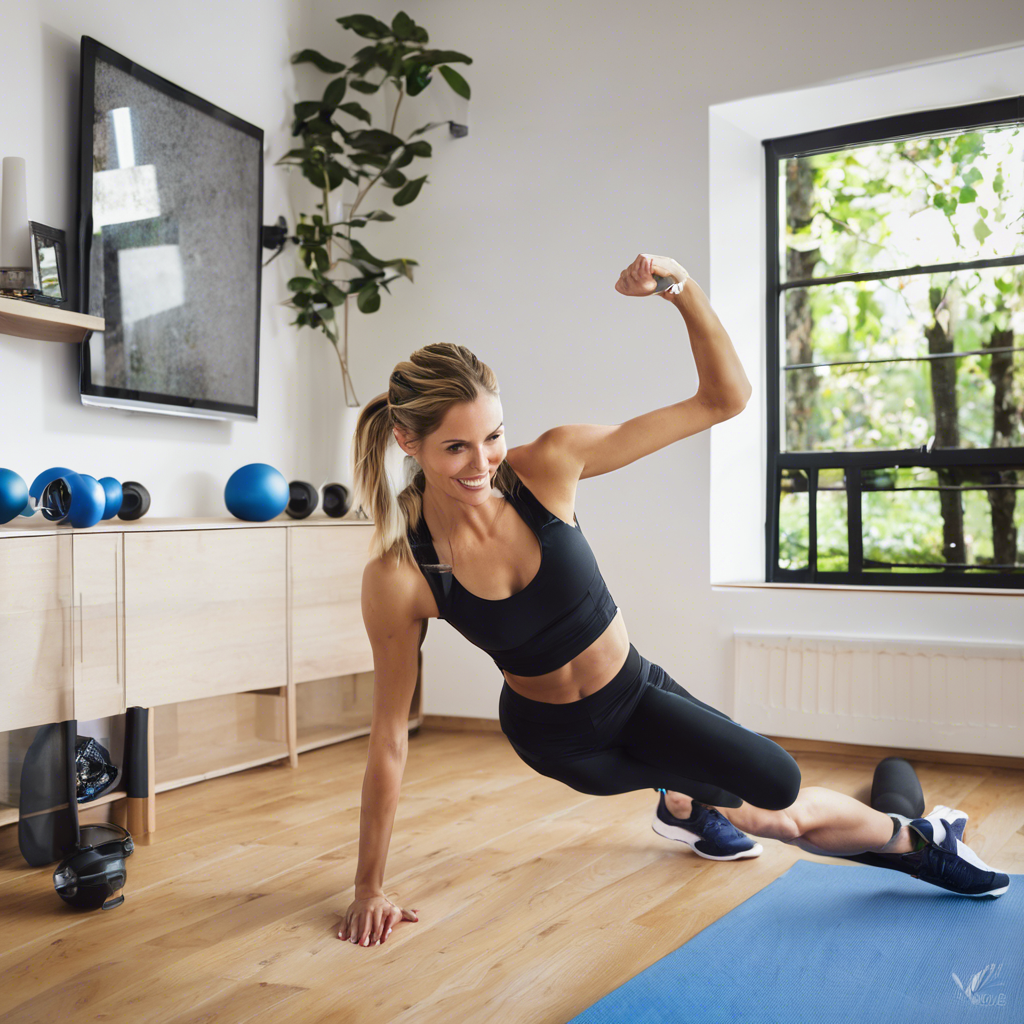
The fitness industry has evolved dramatically in recent years, with more people choosing home workouts over traditional gym memberships. The demand for effective, no-equipment workouts has surged, fueled by busy schedules, budget constraints, and a growing preference for convenience. Whether you’re a beginner or a fitness enthusiast, a well-structured home workout can help build strength, improve endurance, and enhance flexibility—all without stepping foot in a gym.
The Science Behind No-Equipment Workouts
Bodyweight exercises have been a staple of fitness regimens for centuries, from military training to yoga. Scientific research confirms that bodyweight workouts can be just as effective as traditional weightlifting for improving muscular strength and endurance. The key lies in progressive overload—gradually increasing intensity by modifying exercises, increasing repetitions, or reducing rest time. Studies suggest that high-intensity bodyweight workouts can also boost metabolism, helping with fat loss and cardiovascular health.
Moreover, calisthenics (a form of bodyweight training) engages multiple muscle groups simultaneously, improving functional strength. Movements like push-ups, squats, and planks mimic real-life actions, making everyday activities easier and reducing injury risk. Additionally, bodyweight exercises enhance balance, coordination, and flexibility, making them a comprehensive fitness solution.
Benefits of a No-Equipment Workout Routine
1. Accessibility & Cost-Effectiveness
No gym fees, no expensive equipment—just your body and some space. Home workouts eliminate financial barriers, making fitness accessible to everyone.
2. Time Efficiency
A structured workout can be completed in 20-30 minutes, perfect for those with busy schedules. No commute, no waiting for machines—just focused, effective training.
3. Versatility & Adaptability
Bodyweight exercises can be tailored for any fitness level. Beginners can start with modified movements, while advanced individuals can increase difficulty through variations like plyometrics or isometric holds.
4. Full-Body Engagement
Unlike isolated machine-based exercises, bodyweight workouts activate multiple muscle groups, promoting overall strength and balance.
5. Enhanced Mobility & Injury Prevention
Many bodyweight movements improve joint stability and flexibility, reducing the risk of injuries common in weightlifting or machine-based exercises.
Full-Body No-Equipment Workout Plan
This routine targets all major muscle groups and includes modifications for all fitness levels.
Workout Structure
-
Duration: 30 minutes
-
Format: Circuit-style (perform each exercise for 45 seconds, followed by 15 seconds rest)
-
Rounds: 3-4 rounds, depending on fitness level
| Exercise | Primary Muscles Targeted | Beginner Modification | Advanced Variation |
|---|---|---|---|
| Squats | Quads, Glutes, Hamstrings | Half Squats | Jump Squats |
| Push-Ups | Chest, Shoulders, Triceps, Core | Knee Push-Ups | Clap Push-Ups |
| Plank | Core, Shoulders | Knee Plank | Plank with Shoulder Taps |
| Lunges | Quads, Glutes, Hamstrings | Static Lunges | Jumping Lunges |
| Glute Bridges | Glutes, Hamstrings, Lower Back | Basic Glute Bridge | Single-Leg Glute Bridge |
| Mountain Climbers | Core, Shoulders, Cardio | Slow Knee Drives | Speed Climbers |
Maximizing Your Home Workout Results
To make the most out of your bodyweight workouts, consider the following strategies:
1. Focus on Form
Proper technique ensures you engage the right muscles and prevents injuries. Maintain a neutral spine, engage your core, and control movements.
2. Increase Intensity Gradually
Progress by increasing reps, reducing rest time, or incorporating explosive movements like jump squats and plyometric push-ups.
3. Utilize Time Under Tension (TUT)
Slow, controlled reps increase muscle activation. For example, lowering into a squat for three seconds before standing up enhances strength.
4. Engage in Active Recovery
On rest days, incorporate activities like stretching, yoga, or light walking to promote muscle recovery and prevent stiffness.
5. Track Progress
Logging workouts helps monitor improvement. Record reps, sets, and workout durations to stay motivated and set goals.
Home Workout Variations for Different Goals
For Fat Loss & Cardio Endurance:
-
High-Intensity Interval Training (HIIT) circuits
-
Burpees, jumping jacks, high knees, and mountain climbers
-
Short rest periods to keep heart rate elevated
For Strength & Muscle Building:
-
Slow, controlled repetitions with isometric holds
-
Unilateral exercises like single-leg squats and one-arm push-ups
-
Increased time under tension for muscle growth
For Core Strength & Stability:
-
Plank variations (side plank, dynamic plank)
-
Leg raises and hollow body holds
-
Twisting movements like Russian twists for oblique engagement
Creating a Motivating Home Workout Environment
Staying consistent with home workouts can be challenging without the right setup. Here are some tips to stay motivated:
-
Designate a workout space: Even a small area can work. A yoga mat, towel, and a mirror can enhance focus and form.
-
Follow a structured plan: Having a workout routine eliminates guesswork and increases commitment.
-
Use music or virtual classes: High-energy playlists or online trainers can create an engaging atmosphere.
-
Track your progress visually: Write down completed workouts, track reps, and celebrate milestones.
-
Find an accountability partner: Virtual workout buddies or fitness apps can help maintain consistency.
Common Myths About No-Equipment Workouts
Despite their effectiveness, bodyweight workouts are often underestimated. Let’s debunk some myths:
1. “You Can’t Build Muscle Without Weights”
Bodyweight training stimulates muscle growth by increasing resistance through progression techniques like tempo changes, unilateral exercises, and explosive movements.
2. “Bodyweight Workouts Are Only for Beginners”
Advanced athletes incorporate calisthenics for functional strength. Handstand push-ups, pistol squats, and planches are prime examples of elite bodyweight exercises.
3. “Home Workouts Lack Variety”
With thousands of variations, from yoga to HIIT to strength circuits, home workouts offer endless possibilities for progression and adaptation.
Final Thoughts
No-equipment workouts provide an accessible, effective, and versatile fitness solution for anyone looking to improve strength, endurance, and flexibility from home. With proper technique, progressive overload, and consistency, bodyweight exercises can rival traditional gym workouts in building a strong and healthy body. By implementing structured routines, tracking progress, and staying motivated, anyone can achieve their fitness goals without ever needing a gym membership.