
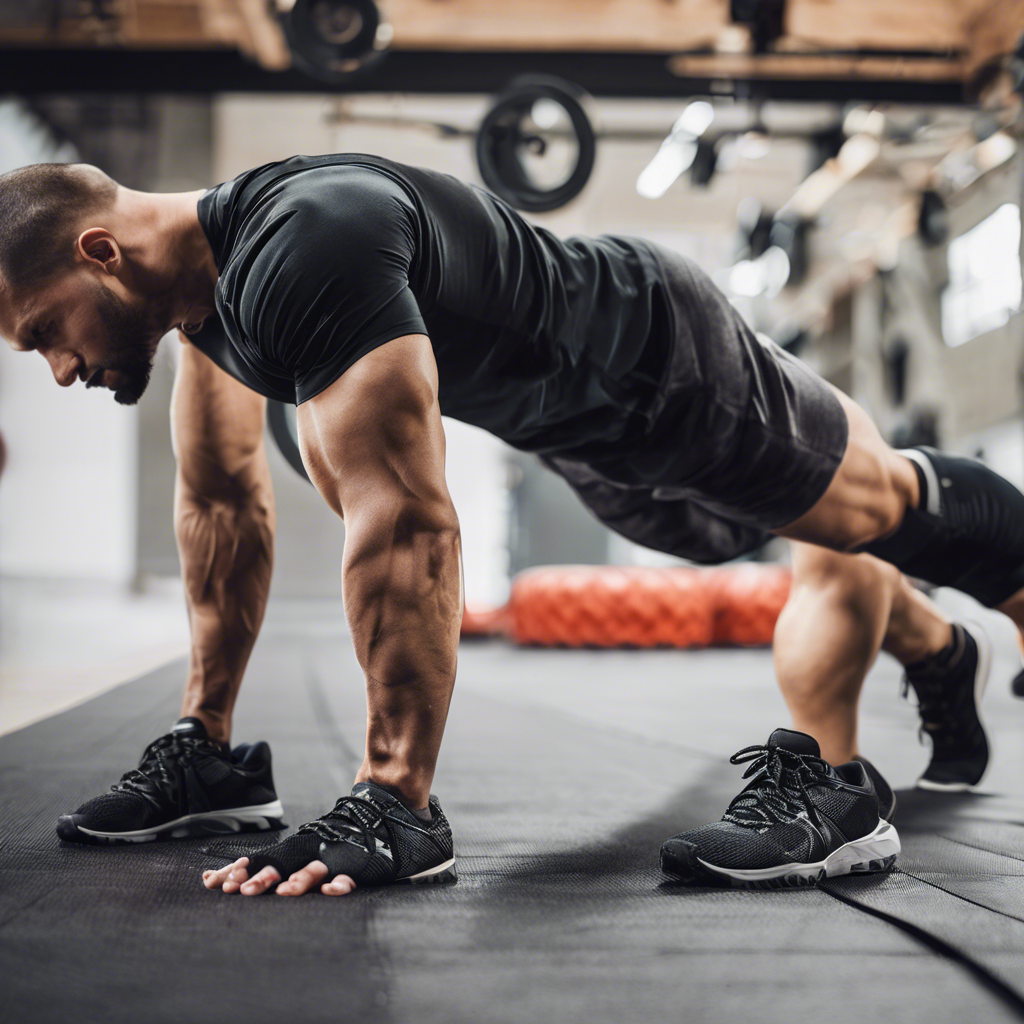
Bodyweight exercises have been a cornerstone of physical fitness for centuries. From ancient practices like yoga and calisthenics to modern-day fitness trends, these exercises offer a simple yet effective way to build strength, increase flexibility, and improve overall health. The appeal of bodyweight exercises lies in their accessibility—no fancy equipment, gym memberships, or expensive gear required. Whether you’re a seasoned athlete or just starting your fitness journey, bodyweight exercises provide numerous benefits that can help you reach your strength goals.
One of the primary advantages of bodyweight exercises is the ability to build functional strength. Functional strength refers to the type of strength that helps us perform everyday activities, like lifting groceries, playing sports, or picking up a child. Unlike traditional weight training, which often isolates specific muscles, bodyweight exercises engage multiple muscle groups simultaneously. For example, exercises like push-ups and squats not only target the chest and legs but also engage the core, shoulders, and arms. This leads to a more balanced, full-body strength development that translates to improved performance in daily tasks.
Another significant benefit of bodyweight exercises is that they improve joint stability. Many bodyweight movements require you to support your body weight through various angles and positions, which can help strengthen the muscles around your joints. For instance, squats and lunges activate the muscles in the lower body, including the glutes, hamstrings, and quadriceps, which in turn support and stabilize the knees and hips. Similarly, push-ups and planks strengthen the muscles in the shoulders, elbows, and wrists, enhancing their stability and reducing the risk of injury. Over time, this increased joint stability can lead to better posture, greater mobility, and a reduced risk of falls or strains.
Flexibility is another key benefit of bodyweight exercises. Many bodyweight movements involve a full range of motion, which helps improve the flexibility of muscles and joints. Stretching and mobility exercises, such as lunges, deep squats, and yoga poses, allow the body to move freely and naturally. By regularly performing these movements, you can increase your flexibility, which not only helps with athletic performance but also promotes better circulation and overall health. Additionally, flexibility training can reduce muscle tension, improve balance, and enhance overall body awareness.
Incorporating bodyweight exercises into your fitness routine can also improve cardiovascular health. While strength training is typically associated with building muscle, bodyweight exercises can also provide an excellent cardiovascular workout, especially when performed in a circuit or high-intensity interval training (HIIT) format. Exercises like jumping jacks, burpees, and mountain climbers elevate the heart rate and increase endurance. This combination of strength and cardio training provides a well-rounded fitness regimen that helps improve both muscular and cardiovascular endurance. As a result, you’ll not only build strength but also increase your stamina, which can have long-term benefits for heart health.
One of the most attractive aspects of bodyweight exercises is their convenience. Since you don’t need any equipment, you can perform these exercises anywhere—at home, in the park, or while traveling. Whether you have a few minutes to spare or an hour to dedicate to a workout, bodyweight exercises can be easily adapted to fit your schedule and environment. This flexibility makes it easier to stay consistent with your fitness routine, even when you’re busy or on the go. For example, you can perform a quick bodyweight workout in your living room, such as a set of push-ups, squats, and planks, and still get an effective strength-building session in without needing to leave the house.
Furthermore, bodyweight exercises are scalable, meaning they can be modified to suit your fitness level and goals. Whether you’re a beginner or an experienced athlete, you can adjust the intensity of your workout by changing the number of repetitions, sets, or the complexity of the exercise. Beginners can start with basic movements, like wall push-ups or assisted squats, and gradually progress to more challenging exercises, such as handstand push-ups or pistol squats. This scalability makes bodyweight exercises an inclusive form of training that can be done by people of all fitness levels, regardless of age or experience.
Bodyweight exercises also help enhance balance and coordination. Many movements require a high degree of body control, which can help improve proprioception—the body’s ability to sense its position in space. Exercises like single-leg squats, planks, and various yoga poses challenge your balance and coordination by forcing you to stabilize your body in different positions. This type of training can improve neuromuscular function and enhance your ability to maintain balance during other physical activities. As your balance and coordination improve, you may notice an increase in athletic performance, whether it’s running, cycling, or even dancing.
Another overlooked benefit of bodyweight exercises is their positive impact on mental health. Physical activity, in general, is known to release endorphins, the body’s natural mood-boosting chemicals, which help reduce stress, anxiety, and depression. Bodyweight exercises, due to their simplicity and versatility, can be a great way to stay active and maintain mental well-being. Whether you’re doing a high-intensity workout or a calming yoga flow, moving your body can help clear your mind, improve your mood, and boost your self-esteem. The sense of accomplishment that comes from completing a workout can also contribute to improved mental health and a more positive outlook.
In addition to the physical and mental health benefits, bodyweight exercises are also cost-effective. Traditional gym memberships, fitness classes, and specialized equipment can be expensive, but bodyweight exercises offer a way to build strength without spending a dime. As mentioned earlier, you don’t need any equipment to get started—just your own body. This makes bodyweight exercises an excellent option for those who want to stay fit but don’t have the financial resources to invest in a gym membership or fitness gear. Plus, many online resources, including free workout videos and apps, provide guidance and support, making it even easier to get started with bodyweight training.
Bodyweight exercises are also a great way to maintain strength as you age. As we get older, muscle mass naturally declines, which can lead to decreased strength, mobility, and independence. Regular strength training, including bodyweight exercises, can help counteract these effects by maintaining and even increasing muscle mass as we age. In particular, exercises that focus on balance, stability, and joint mobility are especially beneficial for older adults, as they can help prevent falls and maintain independence. Bodyweight exercises are low-impact, making them a suitable option for people of all ages, including seniors who may be concerned about the risks of heavy lifting or high-impact workouts.
To get the most out of your bodyweight workouts, it’s essential to maintain proper form and gradually increase the intensity of your exercises. If you’re unsure where to start, consider following a structured workout plan that incorporates a variety of bodyweight movements. You can start with basic exercises like squats, lunges, push-ups, and planks, and then progress to more advanced movements, such as burpees, mountain climbers, and jump squats. Over time, challenge yourself by increasing the number of sets, reps, or the complexity of the exercises. By staying consistent and pushing yourself, you’ll see significant improvements in strength, flexibility, and overall fitness.
In conclusion, bodyweight exercises are a highly effective way to build strength, improve flexibility, and enhance overall health. With their numerous benefits, including functional strength development, joint stability, cardiovascular fitness, and mental well-being, bodyweight exercises offer a holistic approach to fitness that can be done anywhere, anytime. Whether you’re just starting your fitness journey or you’re a seasoned athlete, bodyweight exercises provide a versatile and accessible way to achieve your strength goals and improve your quality of life.