
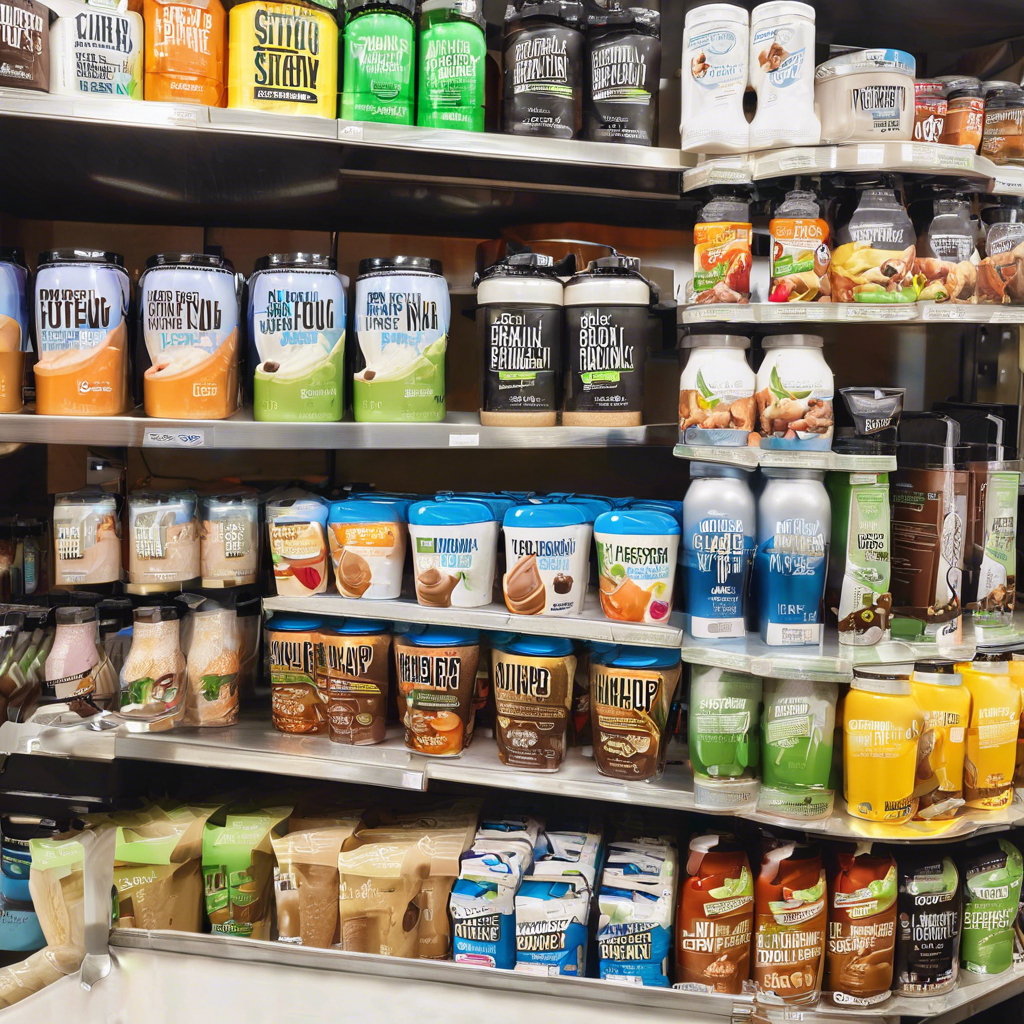
Protein shakes have become a staple in the fitness world, promising muscle growth, fat loss, and improved performance. But with so many brands, flavors, and ingredients flooding the market, it’s difficult to know what actually works. Are protein shakes truly necessary for a healthy diet, or are they just another fitness trend? Understanding the science behind protein supplementation can help determine whether they are beneficial for your fitness goals or simply an expensive habit.
The Science Behind Protein and Muscle Growth
Protein is an essential macronutrient responsible for muscle repair and growth. When you exercise, particularly during strength training, muscle fibers experience small tears. The body repairs these tears using amino acids—the building blocks of protein—to create stronger and larger muscles. The recommended daily protein intake varies based on factors like age, gender, and activity level.
| Activity Level | Protein Requirement (per kg of body weight) |
|---|---|
| Sedentary individuals | 0.8g |
| Active individuals | 1.2g – 2.0g |
| Strength athletes | 1.6g – 2.4g |
Protein shakes provide a convenient way to meet these protein goals, especially for those with busy schedules. However, the effectiveness of these shakes depends on various factors, including the type of protein, timing of consumption, and individual dietary needs.
Types of Protein Shakes and Their Benefits
Not all protein powders are created equal. Understanding the differences can help you choose the best option for your goals.
1. Whey Protein
-
Fast-digesting, making it ideal for post-workout recovery.
-
Contains all essential amino acids (complete protein).
-
High in leucine, a key amino acid for muscle protein synthesis.
-
Best for: Athletes, bodybuilders, and those looking for quick muscle recovery.
2. Casein Protein
-
Slow-digesting, providing a steady release of amino acids.
-
Ideal for nighttime consumption to prevent muscle breakdown.
-
Can be used in meal replacements or before long fasting periods.
-
Best for: Individuals needing prolonged protein absorption.
3. Plant-Based Proteins (Pea, Hemp, Rice, Soy, etc.)
-
Suitable for vegetarians and vegans.
-
Often lower in some essential amino acids compared to animal-based proteins.
-
Some blends combine multiple sources to improve amino acid profiles.
-
Best for: Those with dairy intolerance or following a plant-based diet.
4. Collagen Protein
-
Supports joint health, skin elasticity, and connective tissues.
-
Low in leucine, making it less effective for muscle growth.
-
Often used for beauty and aging-related benefits.
-
Best for: Individuals looking to support skin, hair, and joint health.
Do Protein Shakes Aid in Weight Loss?
Protein is known to be more satiating than carbohydrates or fats, which means it can help curb hunger and reduce overall calorie intake. Studies suggest that high-protein diets can support weight loss by:
✅ Increasing metabolism – The thermic effect of food (TEF) is higher for protein, meaning your body burns more calories digesting it.
✅ Reducing appetite – Protein increases levels of satiety hormones like GLP-1 and reduces levels of hunger hormones like ghrelin.
✅ Preserving lean muscle mass – Higher protein intake prevents muscle loss during calorie deficits.
However, protein shakes alone won’t lead to weight loss unless they’re part of a well-balanced diet with proper calorie control. Overconsumption can lead to excessive calorie intake, hindering progress.
Timing: When Should You Drink a Protein Shake?
The best time to consume a protein shake depends on your goals and daily routine.
📌 Post-Workout: The “anabolic window” suggests consuming protein within 30–60 minutes after exercise for maximum muscle recovery. Whey protein is ideal for this period.
📌 Pre-Workout: Drinking protein before training can provide a steady amino acid supply during exercise, reducing muscle breakdown.
📌 Before Bed: Casein protein before sleep can support overnight muscle repair.
📌 Meal Replacement: A protein shake can serve as a convenient meal replacement, but it should include fiber, healthy fats, and carbohydrates for a balanced nutritional profile.
Are Protein Shakes Necessary for Everyone?
While protein shakes offer convenience, they are not essential for a healthy diet. Many people can meet their protein needs through whole foods such as:
🥩 Lean meats (chicken, turkey, beef)
🐟 Fish (salmon, tuna, cod)
🥚 Eggs and dairy (Greek yogurt, cottage cheese)
🌱 Plant-based sources (lentils, chickpeas, quinoa)
Whole foods provide additional vitamins, minerals, and fiber that protein powders lack. Those who struggle to consume enough protein through food—such as athletes, busy professionals, or individuals with dietary restrictions—may benefit the most from shakes.
Are There Any Risks?
While generally safe, overuse of protein powders can lead to potential health concerns:
🚩 Excess calorie intake – Consuming too many shakes can result in weight gain.
🚩 Kidney strain – Individuals with kidney disease should limit protein intake.
🚩 Artificial additives – Many commercial protein powders contain sweeteners, thickeners, and artificial ingredients that may cause digestive discomfort.
🚩 Heavy metal contamination – Some lower-quality protein powders have been found to contain heavy metals like lead and arsenic. Always choose third-party tested products.
How to Choose the Best Protein Shake
With thousands of protein powders on the market, selecting the best one can be overwhelming. Consider the following factors:
✅ Ingredients – Look for minimal artificial additives and high-quality protein sources.
✅ Third-Party Testing – Certifications like NSF, Informed-Choice, or USP ensure quality and safety.
✅ Digestibility – If you experience bloating, opt for hydrolyzed proteins or lactose-free options.
✅ Protein-to-Calorie Ratio – Aim for powders with at least 20g of protein per serving and minimal added sugars.
Final Thoughts
Protein shakes can be a beneficial addition to a diet, but they are not a magic solution for fitness goals. Whether you’re looking to build muscle, lose weight, or support overall health, the key is balance. Prioritize whole food sources first and use protein shakes as a supplement when needed. Understanding your personal protein requirements and choosing high-quality products will ensure you get the best results without unnecessary risks.
If you’re looking for more health and fitness insights, check out our related articles on meal planning for muscle growth and top post-workout recovery strategies. Let us know in the comments: Do you use protein shakes, and what’s your favorite way to incorporate them into your routine?