
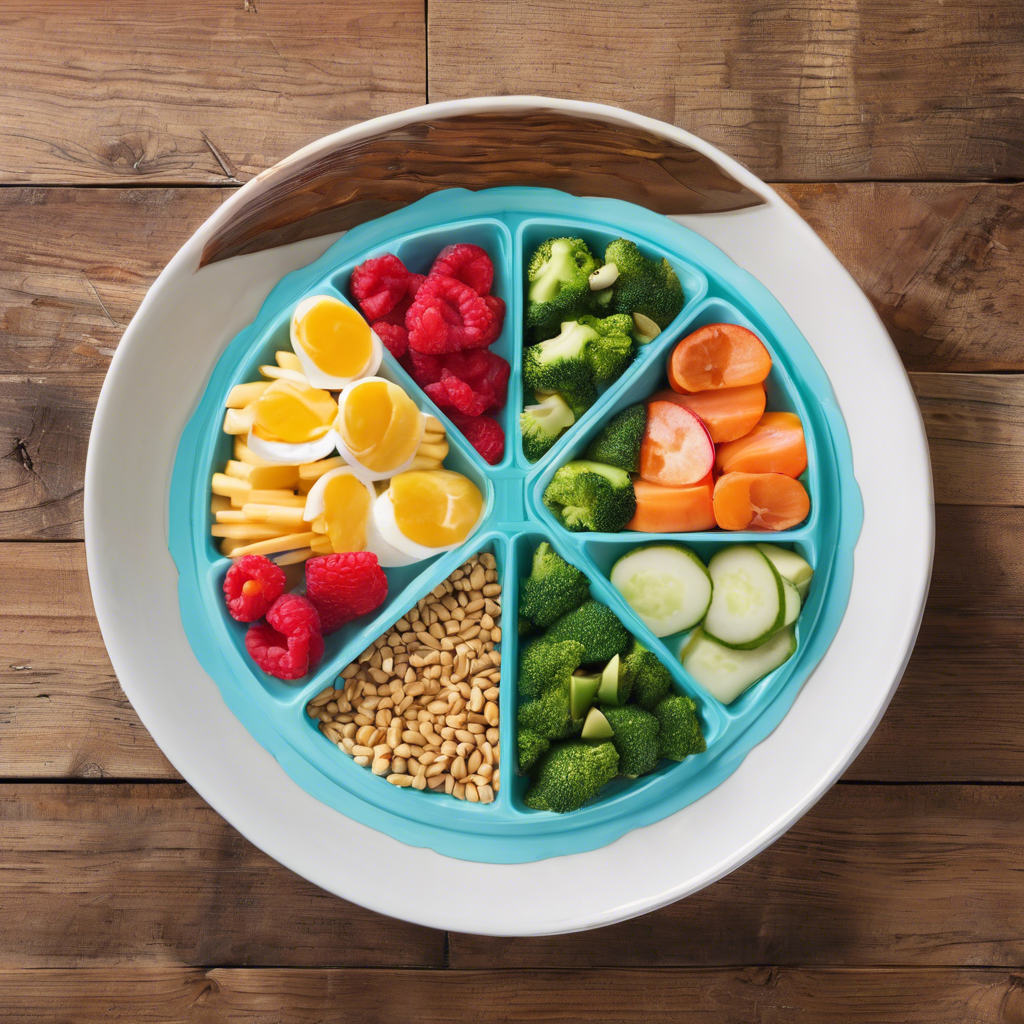
Portion control plays a crucial role in achieving and maintaining a healthy weight. While many people focus on counting calories, eliminating certain food groups, or following strict diets, managing portion sizes is often an overlooked but effective strategy. Understanding portion control helps regulate calorie intake, supports digestion, and promotes overall well-being without the need for restrictive eating patterns. It allows individuals to enjoy their favorite foods in moderation while maintaining a sustainable and balanced approach to weight management.
Why Portion Control Matters
Portion control directly impacts energy balance—the relationship between the calories consumed and the calories burned. Consuming more calories than the body needs leads to weight gain, while eating less can promote weight loss. However, portion control is not about deprivation but about creating a mindful and sustainable eating pattern. Studies have shown that larger portions encourage people to eat more, even when they are not hungry. By managing portion sizes, individuals can prevent overeating and still feel satisfied.
Moreover, portion control helps prevent digestive discomfort. Eating large meals can overwhelm the digestive system, leading to bloating and sluggishness. Controlled portions allow the body to efficiently process and absorb nutrients. Additionally, research indicates that smaller portions can enhance enjoyment of food, as individuals pay closer attention to flavors and textures rather than mindlessly consuming large quantities.
Understanding Portion Sizes vs. Serving Sizes
There is often confusion between portion sizes and serving sizes. A portion refers to the amount of food one chooses to eat at a given time, while a serving size is a standardized measurement found on food labels. For example, a serving of pasta may be one cup, but a restaurant may serve three cups on a plate. Learning to recognize appropriate portion sizes can prevent unintentional overeating.
To better understand portion sizes, consider these visual comparisons:
-
One serving of meat (3 ounces) – approximately the size of a deck of cards.
-
One serving of rice or pasta (½ cup) – about the size of a tennis ball.
-
One serving of cheese (1 ounce) – the size of a pair of dice.
-
One serving of peanut butter (2 tablespoons) – roughly the size of a ping-pong ball.
By using these simple visual cues, individuals can make more informed decisions about how much to eat, even when dining out or eating packaged foods.
The Impact of Oversized Portions
Modern food culture often encourages oversized portions, which can lead to unintentional weight gain. Fast-food restaurants and packaged meals frequently provide portions much larger than what is necessary for a balanced diet. Studies suggest that people tend to eat 30–50% more when served larger portions, even if they do not feel hungrier. This phenomenon, known as portion distortion, has contributed significantly to rising obesity rates worldwide.
A common example is soft drinks. A standard serving size of soda is 12 ounces, but many fast-food chains sell 20-ounce or even 32-ounce beverages. Similarly, a bagel today is often twice the size of those sold in the 1980s, leading to double the calorie intake. Understanding these changes and adjusting portions accordingly can help prevent excess calorie consumption.
Practical Strategies for Portion Control
Implementing portion control in daily life does not have to be complicated. Here are some effective strategies to help manage food intake:
-
Use Smaller Plates and Bowls – Studies have shown that people naturally eat less when using smaller dishware because it makes portions appear larger.
-
Measure Portions with Household Items – Use cups, spoons, or a kitchen scale to portion food accurately.
-
Pre-Portion Snacks – Instead of eating directly from a large bag, divide snacks into smaller containers to avoid mindless overeating.
-
Follow the Plate Method – Fill half of the plate with vegetables, one-quarter with lean protein, and one-quarter with whole grains to ensure balanced meals.
-
Eat Slowly and Mindfully – It takes about 20 minutes for the brain to register fullness, so eating too quickly can lead to overeating before feeling satisfied.
-
Avoid Eating from Large Packages – When eating from bulk packaging, portion food into a smaller bowl to prevent overconsumption.
-
Use Your Hand as a Guide – The palm can estimate a protein portion, a fist can measure vegetables, a cupped hand represents carbohydrates, and a thumb-sized portion is ideal for fats like butter or cheese.
How Portion Control Affects Metabolism
Managing portion sizes not only helps regulate calorie intake but also influences metabolism. Eating excessive amounts at once can cause insulin spikes, leading to energy crashes and increased fat storage. On the other hand, consuming appropriately portioned meals throughout the day stabilizes blood sugar levels, enhances energy, and prevents cravings.
Frequent but portion-controlled meals can also prevent the body from entering starvation mode, where metabolism slows down due to prolonged caloric restriction. This is why extreme dieting often results in temporary weight loss followed by rapid regain. A balanced approach that includes portion control ensures long-term success without negatively impacting metabolism.
Portion Control When Dining Out
Restaurant meals are often much larger than necessary, making portion control more challenging. However, several techniques can help manage intake while still enjoying dining out:
-
Share a Meal – Split an entrée with a friend or order a half-portion if available.
-
Ask for a To-Go Box – Request half the meal to be packed before eating to prevent overconsumption.
-
Skip the Bread Basket – Eating bread before the main meal can add unnecessary calories and reduce appetite control.
-
Order Appetizers as Meals – Appetizers often have more reasonable portion sizes compared to full entrées.
-
Choose Smart Side Dishes – Opt for vegetables or salads instead of fries or heavy starches.
Psychological Benefits of Portion Control
Beyond physical health, portion control can have psychological advantages. Restrictive diets often lead to feelings of deprivation, which can trigger binge eating. By allowing all foods in moderation, portion control creates a more positive relationship with eating.
Mindful portion control also encourages awareness of hunger and fullness cues, helping individuals differentiate between emotional and physical hunger. This approach reduces stress around food choices and allows for a more intuitive way of eating.
Incorporating Portion Control into a Sustainable Lifestyle
Making portion control a habit requires consistency and small adjustments rather than drastic changes. Some additional tips for integrating portion control into everyday life include:
-
Plan Meals Ahead – Preparing meals in advance can prevent last-minute overeating.
-
Read Nutrition Labels – Understanding serving sizes on food labels helps in making informed decisions.
-
Cook at Home – Home-cooked meals allow for better portion control compared to restaurant meals.
-
Drink Water Before Meals – Hydration helps regulate appetite and prevents mistaking thirst for hunger.
-
Keep a Food Journal – Tracking portions and meals can increase awareness of eating patterns.
Final Thoughts
Portion control is a powerful tool for maintaining a healthy weight without resorting to restrictive diets. It promotes better digestion, stabilizes metabolism, and enhances overall well-being. By implementing simple strategies such as using smaller plates, measuring food, and being mindful of portion sizes, individuals can enjoy a balanced diet while achieving their health goals. Instead of focusing on elimination or extreme dieting, portion control offers a sustainable and flexible approach to long-term wellness.