
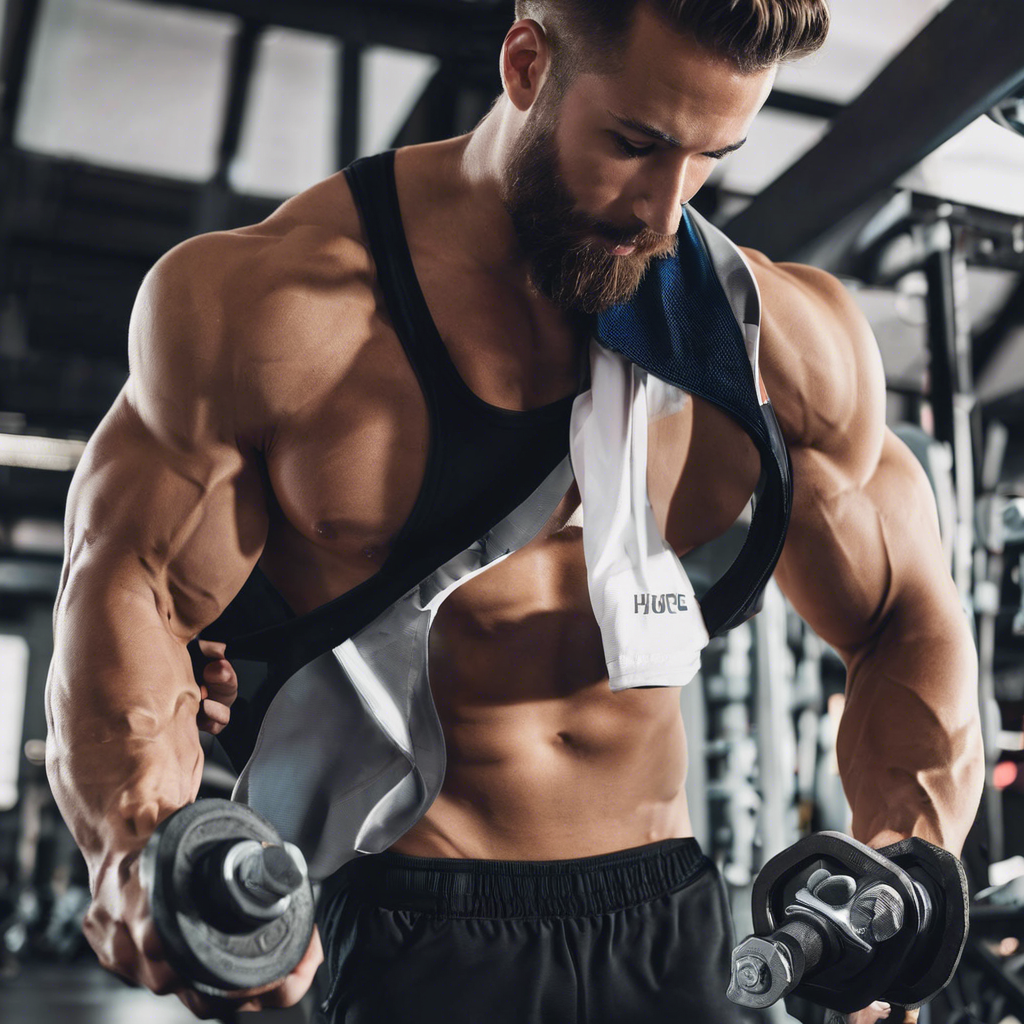
Building muscle doesn’t have to involve lifting heavy weights in a gym. Many people mistakenly believe that weightlifting is the only way to build muscle, but that’s far from the truth. There are plenty of ways to build and tone muscle without needing a set of dumbbells or a squat rack. Whether you’re a beginner, recovering from an injury, or simply prefer not to use heavy weights, you can still see incredible muscle-building results by incorporating bodyweight exercises, resistance bands, functional training, and proper nutrition. In this article, we’ll explore several effective ways to build muscle without lifting heavy weights.
Bodyweight Exercises: The Ultimate Tool for Muscle Building
Bodyweight exercises are often underestimated, but they can be incredibly effective for building muscle. The key to maximizing the benefits of bodyweight exercises is to focus on progressive overload, which means gradually increasing the difficulty of the exercise over time. You can do this by increasing the number of repetitions, modifying the movement, or adding variations that challenge your muscles.
Push-ups
Push-ups are a fantastic upper body exercise that targets the chest, shoulders, and triceps. They are versatile and can be modified to suit any fitness level. For beginners, starting with knee push-ups is a great option, while more advanced practitioners can try variations such as diamond push-ups or one-arm push-ups. Over time, increasing the number of repetitions or incorporating incline and decline variations can make the exercise more challenging.
Squats
Squats are one of the best lower body exercises for building muscle in the legs and glutes. You don’t need weights to feel the burn. Start with bodyweight squats, and as you progress, try variations such as pistol squats, jump squats, or Bulgarian split squats. These variations target the muscles in different ways and increase the intensity without adding weight.
Planks
While planks are commonly known for their core benefits, they also help build muscle in the shoulders, back, and glutes. Start by holding a basic plank position for 30 seconds, then work your way up to longer holds. Once you can hold a standard plank with ease, try variations such as side planks or plank jacks to target additional muscle groups.
Resistance Bands: Portable and Effective
Resistance bands are an incredibly versatile tool that can help you build muscle without the need for heavy weights. They come in various resistance levels, allowing you to adjust the intensity of your workout to suit your needs. Additionally, they are lightweight, portable, and can be used for a wide range of exercises.
Band Squats
Resistance bands can add extra tension to your squats, helping to engage your glutes and quads more effectively. Place the band just above your knees, squat down, and push your knees out against the resistance of the band. This simple variation can increase muscle activation and help build strength and size in your lower body.
Band Rows
To target your back and biceps, try band rows. Secure the band to a door handle or any sturdy surface, hold the band with both hands, and pull it towards your chest, squeezing your shoulder blades together. The resistance from the band will help engage your upper back and arms, promoting muscle growth.
Lateral Band Walks
This exercise targets the hip abductors, glutes, and thighs. Place the resistance band around your legs, just above your knees or around your ankles. Stand with your feet hip-width apart and squat down slightly. Then, step laterally, maintaining tension in the band. Perform this movement for a set distance or number of steps to activate your glutes and thighs.
Functional Training: Building Muscle Through Natural Movements
Functional training is a method that emphasizes movements used in everyday life. These exercises work multiple muscle groups at once, making them incredibly efficient for building strength and muscle without heavy weights. They also improve overall mobility and coordination.
Kettlebell Swings
While kettlebells may seem like a traditional piece of gym equipment, kettlebell swings are an excellent way to build muscle and burn fat without relying on heavy weights. This exercise primarily targets the glutes, hamstrings, and lower back, while also engaging the core and shoulders. If you’re new to kettlebells, start with a lighter weight and focus on proper form before increasing the intensity.
Mountain Climbers
Mountain climbers are a full-body workout that strengthens your core, shoulders, and legs. Start in a plank position and alternate bringing your knees toward your chest in a running motion. The exercise gets your heart rate up while simultaneously working your muscles, making it a great option for building strength and endurance.
Lunges
Lunges are another effective bodyweight exercise that targets the legs, glutes, and core. You can do forward, reverse, or lateral lunges to keep things interesting and challenge your muscles in different ways. To make lunges more challenging, try adding a jump or holding the position at the bottom of the movement for a few seconds.
Yoga and Pilates: Enhancing Flexibility and Muscle Tone
Yoga and Pilates are excellent methods for building lean muscle while improving flexibility and balance. These low-impact exercises can target smaller muscle groups that are often neglected in traditional workouts, helping to sculpt and tone the body. Many people find that they achieve a leaner, more toned physique through consistent practice.
Downward Dog Push-ups
This yoga variation combines the classic push-up with a dynamic stretch. Start in a downward dog position and perform a push-up by lowering your body towards the floor, then press back into the downward dog position. This movement engages your arms, chest, and shoulders while also challenging your core and hip flexors.
Pilates Leg Lifts
In Pilates, leg lifts target the lower abs and hip flexors. To perform this exercise, lie on your back with your legs extended and your arms at your sides. Lift one leg toward the ceiling, then lower it slowly. Repeat with the other leg, ensuring that your core stays engaged throughout the movement. This exercise can help to sculpt the lower body without the use of weights.
Nutrition: Fueling Your Muscle Growth
While exercises are crucial for building muscle, proper nutrition plays an equally important role. Without the right fuel, your muscles won’t have what they need to grow and repair. Focus on consuming a well-balanced diet that includes lean proteins, healthy fats, and complex carbohydrates. Protein, in particular, is essential for muscle repair and growth.
Protein-Rich Foods
Some excellent sources of protein include chicken, turkey, tofu, lentils, chickpeas, eggs, and fish. If you’re vegetarian or vegan, consider plant-based protein options like quinoa, tempeh, and edamame.
Carbohydrates for Energy
Carbohydrates provide your body with the energy it needs to perform exercises. Incorporate complex carbs like whole grains, oats, sweet potatoes, and brown rice into your diet to maintain energy levels and support muscle recovery.
Healthy Fats
Incorporate healthy fats into your diet to support overall health and muscle-building processes. Foods such as avocado, nuts, seeds, and olive oil are rich in healthy fats and can help promote muscle growth by supporting hormone production.
Rest and Recovery: A Vital Component
Muscle growth occurs during the recovery phase, not while you’re exercising. It’s essential to allow your muscles time to rest and rebuild between workouts. Aim for at least 48 hours of rest between training sessions targeting the same muscle group.
Sleep
Getting enough sleep is critical for muscle recovery. Aim for 7-9 hours of sleep per night to ensure your body has adequate time to repair muscle tissue and promote growth.
Active Recovery
On rest days, engage in light activities like walking, swimming, or cycling to keep blood circulating through your muscles. This can help reduce soreness and speed up recovery.
Consistency and Progression: Key to Building Muscle
Building muscle without heavy weights requires consistency and progression. Stick to your routine and gradually increase the difficulty of your exercises. Whether you’re adding more repetitions, modifying exercises for increased intensity, or adjusting the resistance of your bands, keep challenging yourself. Over time, you’ll see impressive results and build muscle without the need for a gym full of heavy weights.
Conclusion
Building muscle without lifting heavy weights is entirely possible with the right approach. By focusing on bodyweight exercises, resistance bands, functional training, and other effective techniques, you can achieve your muscle-building goals while maintaining a functional and injury-free body. Coupled with proper nutrition, rest, and consistency, you can develop strength and muscle tone without the need for heavy lifting. Whether you’re just starting out or looking for a change in your routine, there are plenty of ways to sculpt and strengthen your muscles naturally. Stay dedicated, and you’ll be amazed at the results you can achieve!