
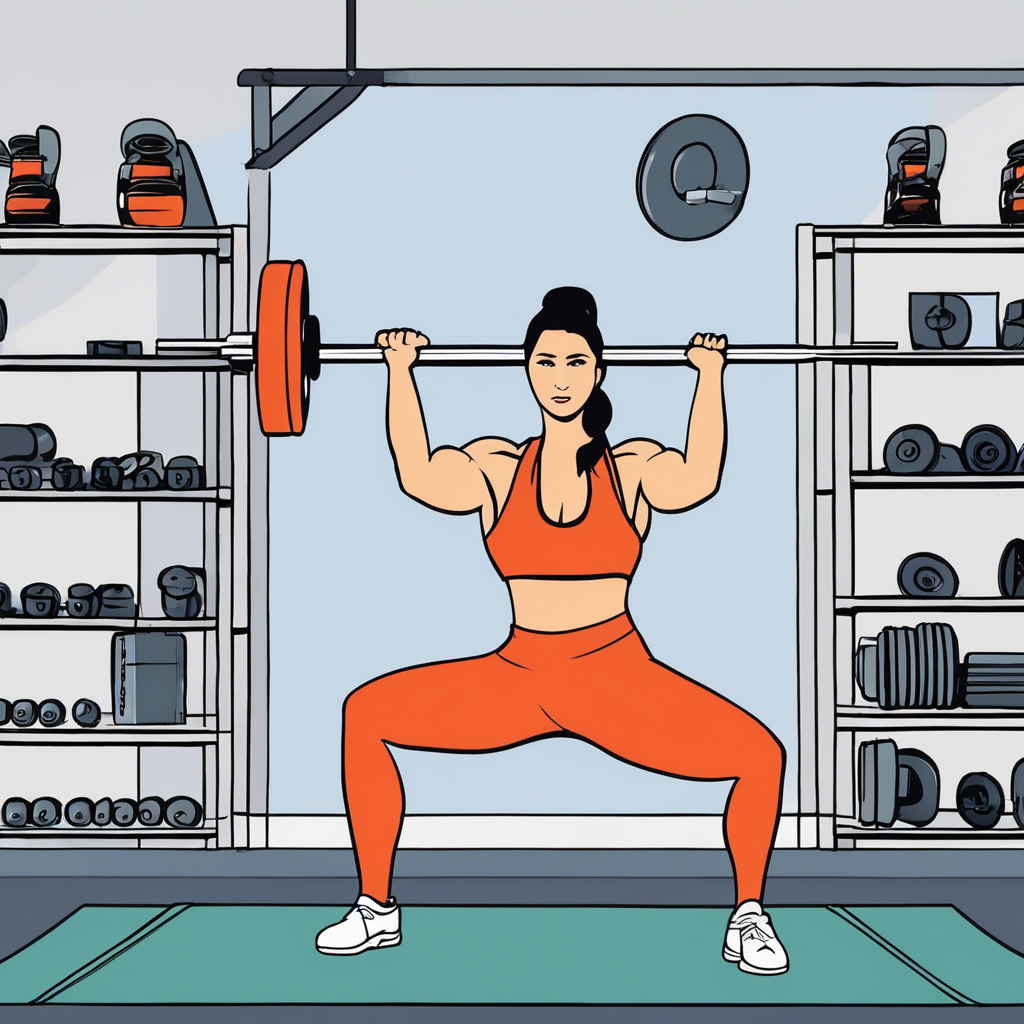
Strength training is one of the most effective ways to improve overall health, build muscle, and increase strength. For beginners, however, it can feel overwhelming. With countless exercises to choose from and varying equipment types, it’s easy to get lost in the process. Whether you’re brand new to strength training or looking to refine your approach, it’s crucial to start with exercises that target all major muscle groups in a balanced and safe manner. This guide will walk you through the best strength training exercises for beginners to help you build a strong foundation, prevent injury, and set the stage for long-term fitness progress.
Understanding the Basics of Strength Training
Before diving into specific exercises, it’s essential to understand the principles of strength training. Strength training involves lifting weights or using resistance to build muscle, increase endurance, and improve overall fitness. There are several benefits to strength training, including:
-
Increased muscle mass: Building muscle helps improve metabolism, burn fat, and shape your body.
-
Stronger bones: Weight-bearing exercises increase bone density, reducing the risk of osteoporosis.
-
Improved posture and balance: Strengthening muscles improves overall posture and helps maintain balance, reducing the risk of falls.
-
Boosted mood: Regular strength training has been shown to reduce symptoms of anxiety and depression.
As a beginner, it’s important to focus on form and gradually progress as you gain strength and confidence. Always start with lighter weights or resistance to avoid injury and ensure proper technique.
The Key Principles for Beginners
-
Start with Compound Movements: Compound exercises are multi-joint movements that engage several muscle groups at once. These exercises provide the most bang for your buck by targeting multiple areas of your body and helping to develop functional strength.
-
Incorporate Bodyweight Exercises: Bodyweight exercises are an excellent way to build foundational strength without the need for equipment. They are great for learning proper movement patterns and mastering your body before adding external weight.
-
Progress Gradually: Begin with lighter weights or resistance bands and increase intensity gradually over time. Progression is key to long-term strength gains without risking injury.
-
Consistency is Key: Aim to incorporate strength training into your routine at least two to three times a week, allowing your muscles time to recover between sessions.
Essential Strength Training Exercises for Beginners
Below are some of the best exercises to start with when beginning a strength training routine. These exercises target multiple muscle groups, enhance strength, and promote overall fitness. As you progress, you can increase weight, sets, and repetitions.
1. Squats
The squat is a foundational lower-body exercise that targets the quadriceps, hamstrings, glutes, and core. It also helps improve mobility in the hips and ankles.
-
How to Perform:
-
Stand with your feet shoulder-width apart, toes slightly pointing outward.
-
Lower your hips back and down as if sitting in a chair, keeping your chest up and your knees behind your toes.
-
Push through your heels to return to standing.
-
-
Benefits: Squats improve lower body strength, core stability, and balance. They also engage the glutes and hamstrings, helping to improve posture and mobility.
2. Push-ups
Push-ups are a classic bodyweight exercise that works the chest, shoulders, triceps, and core.
-
How to Perform:
-
Start in a plank position with your hands placed slightly wider than shoulder-width apart.
-
Lower your body to the ground by bending your elbows, keeping your body in a straight line.
-
Push back up to the starting position.
-
-
Benefits: Push-ups build upper body strength and stability. They also engage the core and improve posture.
3. Deadlifts
The deadlift is a powerful compound movement that targets the hamstrings, glutes, lower back, and core.
-
How to Perform:
-
Stand with your feet shoulder-width apart, holding a barbell or dumbbells in front of your thighs.
-
Keeping your chest up and back straight, hinge at the hips and lower the weights towards the ground.
-
Push through your heels and return to standing.
-
-
Benefits: Deadlifts strengthen the posterior chain (hamstrings, glutes, lower back), improve posture, and help with overall mobility.
4. Planks
Planks are an excellent core exercise that also works the shoulders, arms, and legs.
-
How to Perform:
-
Begin in a forearm plank position, keeping your body in a straight line from head to heels.
-
Engage your core and hold the position, avoiding sagging in your lower back.
-
-
Benefits: Planks strengthen the core and improve stability, helping to prevent injuries and improve posture.
5. Bent-over Rows
The bent-over row is a great exercise for strengthening the upper back, biceps, and shoulders.
-
How to Perform:
-
Hold a barbell or dumbbells with an overhand grip and bend forward at the hips, keeping your back straight.
-
Pull the weight towards your torso, squeezing your shoulder blades together at the top.
-
Lower the weight back down.
-
-
Benefits: Bent-over rows target the upper back and improve posture, which is essential for counteracting the effects of sitting and poor posture.
6. Lunges
Lunges are an excellent lower-body exercise that targets the quads, hamstrings, glutes, and calves.
-
How to Perform:
-
Start by standing with your feet hip-width apart.
-
Step forward with one leg and lower your hips until both knees are bent at 90-degree angles.
-
Push off the front foot to return to standing and alternate legs.
-
-
Benefits: Lunges help improve balance, stability, and lower body strength. They also engage the glutes and help to strengthen the legs.
7. Shoulder Press
The shoulder press works the shoulders, upper chest, and triceps, making it a great upper-body exercise.
-
How to Perform:
-
Hold a dumbbell in each hand at shoulder height, elbows bent at 90 degrees.
-
Press the weights overhead, fully extending your arms.
-
Lower the weights back to shoulder height.
-
-
Benefits: The shoulder press builds shoulder strength, enhances posture, and develops upper body power.
8. Glute Bridges
Glute bridges are a great exercise for strengthening the glutes, hamstrings, and lower back.
-
How to Perform:
-
Lie on your back with your knees bent and feet flat on the floor.
-
Press through your heels and lift your hips toward the ceiling, squeezing your glutes at the top.
-
Lower your hips back down.
-
-
Benefits: Glute bridges strengthen the glutes, hamstrings, and lower back, which are crucial for functional movements and preventing lower back pain.
9. Chest Press
The chest press targets the chest, shoulders, and triceps. It can be done using dumbbells or a barbell.
-
How to Perform:
-
Lie on a bench with a dumbbell in each hand at chest level.
-
Push the weights straight up until your arms are fully extended.
-
Lower the weights back down to your chest.
-
-
Benefits: The chest press helps develop upper body strength, particularly the chest and triceps.
10. Bicep Curls
Bicep curls are a classic exercise for targeting the biceps, located in the upper arms.
-
How to Perform:
-
Hold a dumbbell in each hand with your arms fully extended.
-
Curl the weights toward your shoulders by bending your elbows.
-
Lower the weights back down.
-
-
Benefits: Bicep curls strengthen the arms, enhancing functional strength and muscle tone.
Structuring Your Strength Training Routine
For beginners, a simple and effective workout plan might look something like this:
-
Frequency: Aim for 2-3 full-body strength training sessions per week, with at least one day of rest in between.
-
Sets and Reps: Start with 2-3 sets of 8-12 repetitions for each exercise.
-
Rest: Rest for 30-60 seconds between sets to allow muscles to recover.
-
Progression: As you become more comfortable, gradually increase the weight or resistance to continue challenging your muscles.
Final Thoughts
Strength training is an essential part of any fitness journey, and it’s particularly beneficial for beginners to develop a strong foundation. By incorporating these key exercises into your routine, you’ll target all major muscle groups, improve overall strength, and prevent injury. Remember to focus on proper form, gradually increase resistance, and stay consistent to see long-term benefits. With patience and persistence, you’ll be well on your way to a stronger, healthier you.