
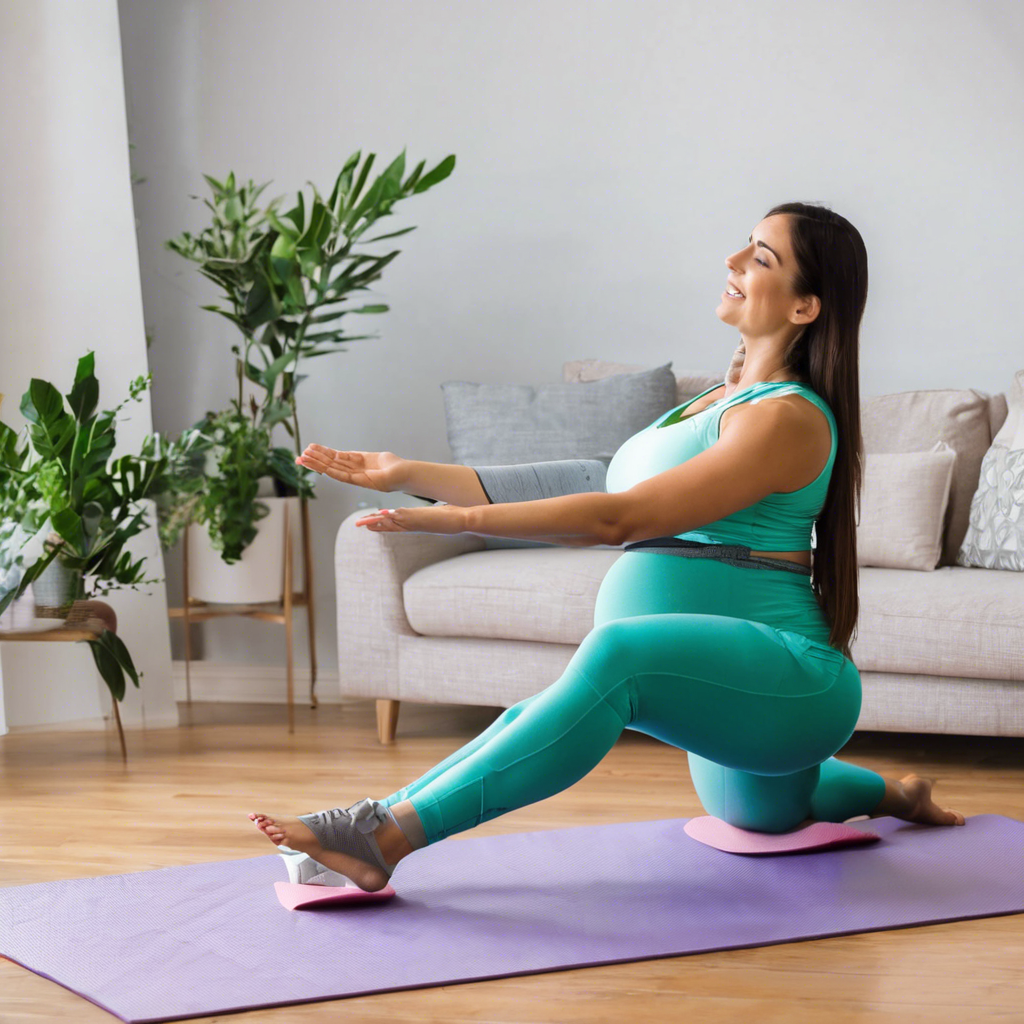
Staying active during pregnancy is one of the best ways to ensure both maternal and fetal health. Regular exercise can help reduce discomfort, improve mood, boost energy levels, and prepare the body for labor and delivery. However, not all exercises are safe, and it’s essential to choose workouts that support the body’s changing needs. Understanding which movements are beneficial and which should be avoided is crucial to maintaining a healthy fitness routine throughout pregnancy.
Engaging in low-impact activities such as walking, swimming, and prenatal yoga can significantly enhance overall well-being. Walking is an excellent way to keep the body moving without putting excessive strain on the joints. It improves circulation, strengthens the cardiovascular system, and helps manage weight gain. Pregnant individuals should aim for at least 30 minutes of walking most days of the week, ensuring a moderate pace that allows them to carry on a conversation comfortably.
Swimming and water aerobics are also highly recommended as they provide full-body workouts while reducing pressure on the joints. The buoyancy of water helps alleviate back pain and swelling, common discomforts during pregnancy. Additionally, swimming improves circulation and reduces the risk of overheating, which can be a concern during other forms of exercise. Water workouts should include gentle stretches, controlled breathing, and light resistance movements to promote flexibility and endurance.
Prenatal yoga and stretching exercises offer incredible benefits by promoting relaxation, flexibility, and muscle strength. Yoga helps improve posture, reduce back pain, and prepare the body for childbirth by strengthening the pelvic muscles. It also aids in stress management by encouraging deep breathing techniques. However, certain poses, such as deep twists or excessive backbends, should be avoided to prevent strain on the abdomen and ligaments. Instead, expecting mothers should focus on gentle stretching and balance-enhancing movements that support overall stability.
Strength training during pregnancy is beneficial for maintaining muscle tone and supporting joint health. Light resistance exercises using body weight, resistance bands, or small dumbbells can help strengthen the arms, legs, and core. Squats, lunges, and modified push-ups are excellent choices when performed with proper form. However, heavy lifting or exercises that involve lying flat on the back for extended periods should be avoided after the first trimester, as they can restrict blood flow and cause dizziness.
Pelvic floor exercises, also known as Kegels, are essential for maintaining bladder control and preparing for labor. Strengthening the pelvic floor muscles can prevent urinary incontinence and support recovery after childbirth. To perform Kegels, individuals should contract and hold the pelvic muscles for a few seconds before releasing. Practicing these exercises daily can enhance muscle tone and improve postpartum healing.
Although exercise is beneficial, it’s important to listen to the body and recognize warning signs that indicate overexertion. Symptoms such as dizziness, shortness of breath, sharp pain, vaginal bleeding, or contractions should not be ignored. If any of these occur, physical activity should be stopped immediately, and medical advice should be sought. Hydration is also crucial, as pregnancy increases the body’s fluid requirements. Drinking plenty of water before, during, and after exercise can help prevent dehydration and overheating.
Certain exercises should be avoided to prevent injury or complications. High-impact workouts such as jumping, running on uneven terrain, or contact sports pose risks of falls and abdominal trauma. Activities that involve sudden movements, heavy lifting, or extreme stretching can strain the muscles and ligaments, leading to discomfort or potential harm to the baby. Additionally, hot yoga or exercises performed in high temperatures should be avoided to prevent overheating and dehydration.
Maintaining a consistent but flexible workout routine can make pregnancy more comfortable and enjoyable. Adjustments should be made as the body changes, and workouts should be modified to accommodate shifting balance and growing abdominal size. Consulting with a healthcare provider before starting or continuing any exercise program ensures safety and allows for personalized recommendations based on individual health conditions and pregnancy stages.
Ultimately, staying fit during pregnancy is about finding safe, enjoyable activities that promote overall health and well-being. With the right approach, exercise can reduce discomfort, improve stamina, and enhance both physical and mental wellness, making the journey to motherhood smoother and more empowering.